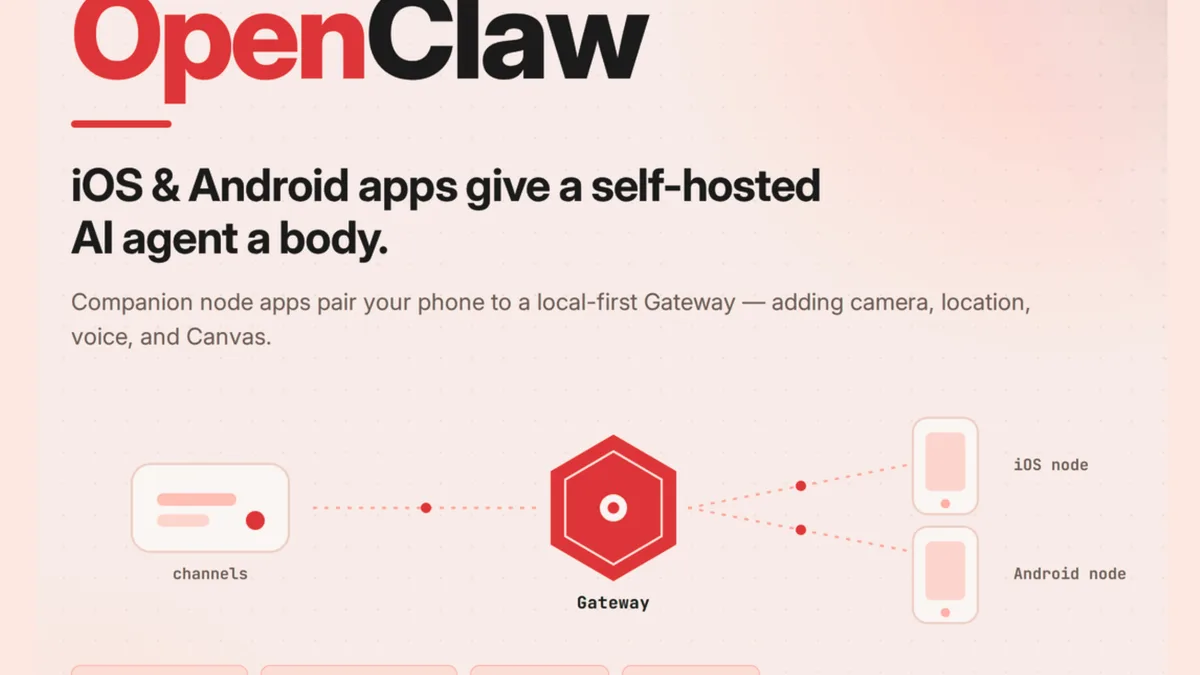
OpenClaw's arrival on phones is a small product event with a larger message: self-hosted AI tools are trying to leave the desk. For many users, an agent that only works from a browser tab is interesting but incomplete. A phone app changes the rhythm. It can handle voice, photos, approvals, notifications, and quick checks in the places where people actually make decisions.
That does not automatically make the experience good. Self-hosted AI still asks users to understand setup, privacy, credentials, and device permissions. A mobile app can lower friction, but it can also expose rough edges faster than a desktop interface. If approvals fail, voice input feels slow, or camera context is clumsy, users will notice immediately.
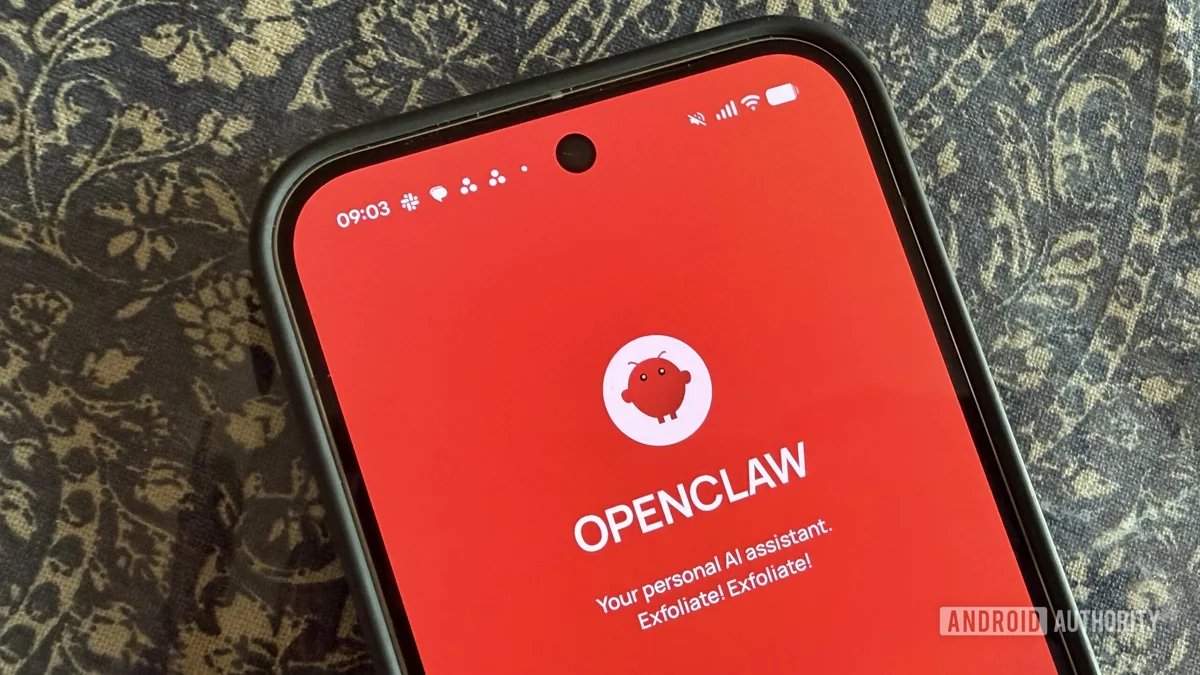
Android Authority reports that OpenClaw now has official Android and iOS apps, with features such as chat, voice, approvals, and access to a self-hosted assistant. The first impressions sound mixed, which is useful because agent software needs honest friction reports.
The launch connects with our broader look at AI tools moving into everyday development workflows. The same pattern applies outside code: agents become more useful when they sit close to the moment of action instead of waiting inside a dashboard.
Approvals are the key feature to watch. A useful agent should not act like a black box. It should ask before spending money, moving files, sending messages, or changing settings. Phones are good approval devices because they are always nearby and already trusted for banking, logins, and two-factor prompts. That could make mobile the natural control surface for cautious automation.
Privacy is the counterweight. A self-hosted assistant appeals to people who do not want every task routed through a large cloud account, but phone permissions are sensitive. Camera, microphone, location, contacts, and notifications all expand the attack surface. OpenClaw needs clear controls and boring reliability before mainstream users will trust it with real routines.
The app launch is not a finished destination. It is a sign that agent projects understand where the interface has to go. The next generation of AI assistants will not be judged only by model quality. It will be judged by whether people can safely supervise them from the device already in their hand.
The strongest version of the product would treat the phone as a trusted checkpoint instead of a magic remote. Users should be able to pause an agent, review pending actions, approve only part of a plan, and see what data was used. Those details make the difference between a fun experiment and a tool someone keeps open during real work.
The mobile launch also broadens who can participate in self-hosted AI. A desktop-only setup mostly appeals to developers and hobbyists. A phone app can let a nontechnical family member approve a household automation, send a voice instruction, or check what an agent is doing. That does not remove the need for careful setup, but it makes the experience less isolated. The real measure of OpenClaw's progress will be whether the app makes self-hosting feel approachable without hiding the responsibilities that come with it.