The OPPO Find X10 Pro Max display leak is a reminder that flagship phones still compete hard on screens, even when AI and cameras take most of the attention. The display is the part of the phone people use every second. Brightness, color, bezels, touch response, eye comfort, and outdoor readability can make a device feel premium before a user opens the camera.
A 6.89-inch 2K panel with very narrow bezels would fit the current flagship pattern. Brands want larger viewing areas without making phones feel dramatically bigger. That is difficult because slimmer borders leave less room for durability margins, antenna design, accidental-touch handling, and case protection.
The BT.2020 color-gamut claim is also interesting because display marketing is becoming more technical. Most users do not shop by color space, but they do notice whether HDR video looks rich, photos feel accurate, and the screen stays readable in harsh light. The best display upgrades are technical on paper and obvious in daily use.
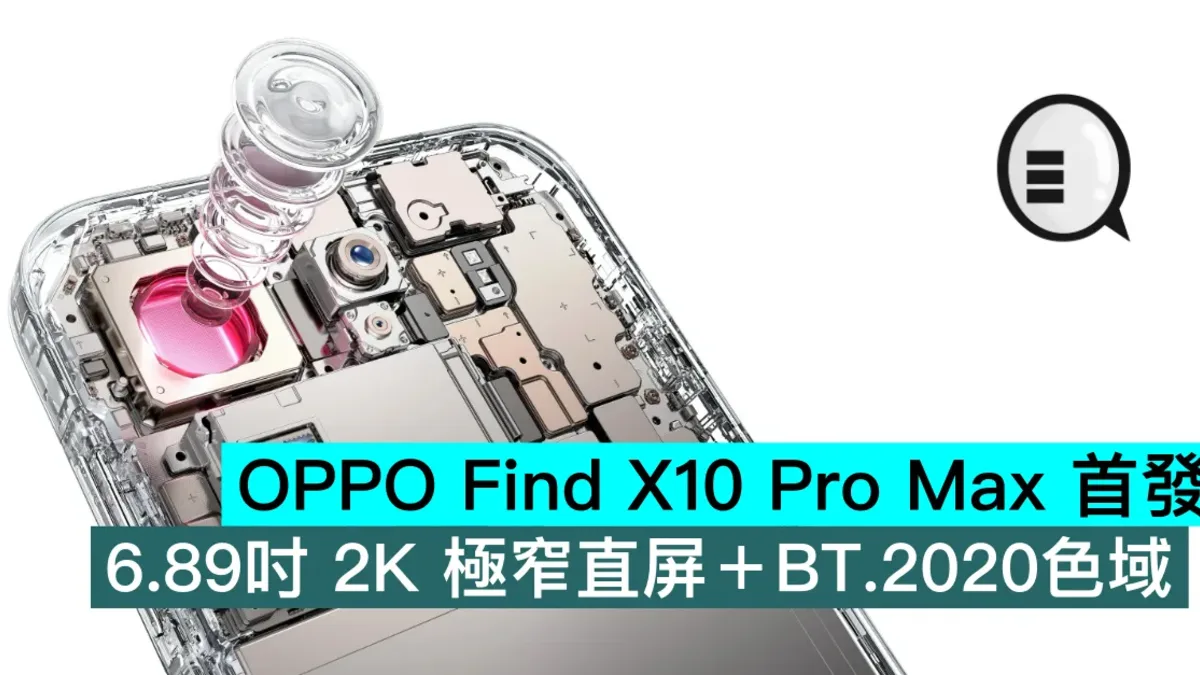
Qooah reported the OPPO Find X10 Pro Max display details in Chinese, pointing to a large 2K ultra-narrow-bezel panel and BT.2020 color coverage. The report keeps OPPO's next flagship in the premium-display conversation.
It also echoes our coverage of how display polish is moving down the Android stack. When midrange phones get brighter, smoother panels, flagships have to work harder to look special.
OPPO's risk is that display improvements alone can feel invisible if the rest of the phone does not match. Battery life, thermals, camera behavior, and software support all have to support the big-screen promise. Still, the leak shows why screens remain central. A flagship phone can talk about AI all day, but the display is where every feature has to prove itself.
Eye comfort may become a stronger differentiator. High-frequency dimming, low-blue-light modes, and better brightness behavior at night matter to users who spend hours reading or messaging. A flagship display should not only look bright in a store. It should feel comfortable at midnight and readable at noon.
Gaming is another reason the display matters. Touch sampling, sustained brightness, thermal control, and frame pacing all influence whether a large flagship feels responsive. OPPO can advertise resolution, but players will notice consistency more than the spec label.
The leak also raises expectations for design symmetry. Ultra-narrow bezels look premium only when the camera cutout, edges, and palm rejection are handled cleanly. If OPPO gets those details right, the Find X10 Pro Max could use its screen as a genuine identity rather than another number in the flagship arms race.
Repair cost is the shadow side of ambitious display design. Large curved or narrow-bezel panels can be expensive to replace, and buyers are increasingly aware of that. OPPO can make the display a selling point, but it should also make durability and service pricing part of the premium promise.
Display quality also affects camera trust. A phone can capture strong photos, but if the panel exaggerates color or crushes shadows, users may edit and share based on a misleading preview. OPPO's screen tuning will therefore influence not just media consumption but the whole imaging experience.