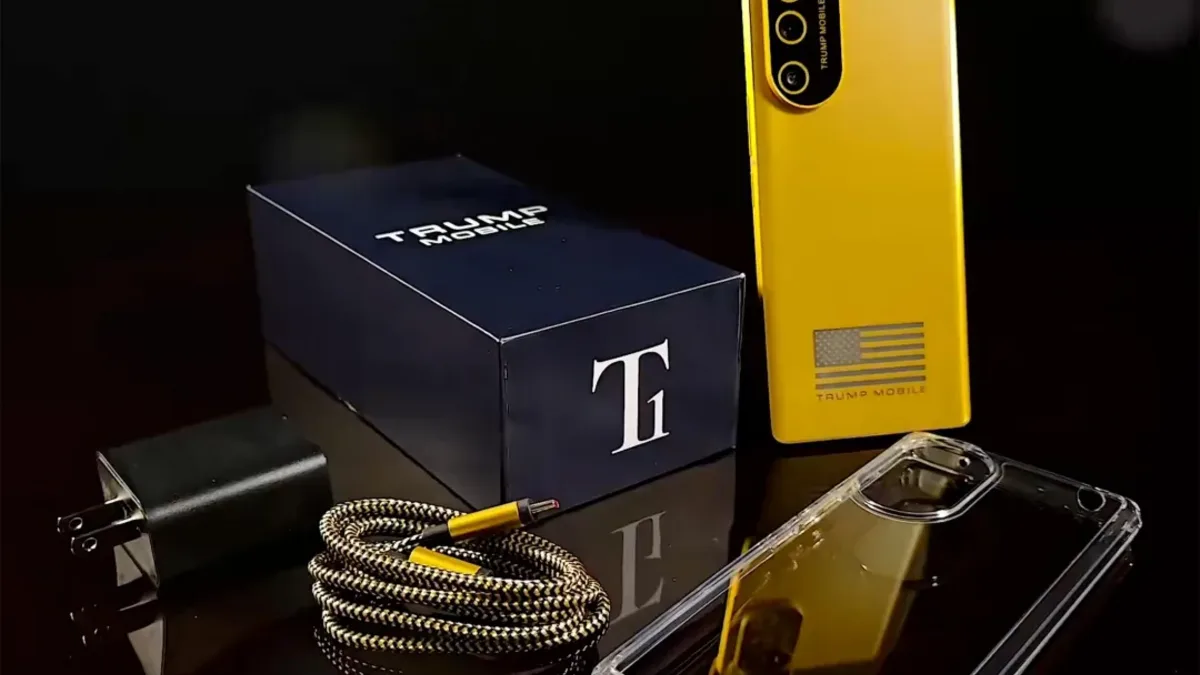
The Trump Mobile T1 story is less about whether a politically branded phone can attract attention. It clearly can. The more important question is whether the product can explain what it actually is, where it comes from, when it ships, and why buyers should trust it as a daily smartphone rather than a campaign object with a screen.
Phones are difficult products to badge. A handset is not a hat or a mug. It carries messages, banking apps, photos, location data, passwords, health apps, and two-factor authentication. That means buyers need confidence in software updates, warranty support, network compatibility, security patches, and the real manufacturer behind the device.
The open-sale angle adds more pressure. If reservations exist and public sales open before the backlog is clear, customers may wonder whether the brand is selling a finished product, a white-label device, or a promise. That matters because trust can disappear quickly in hardware.
cnBeta reported that the Trump Mobile T1 was opened for direct purchase at $499 while shipping timing remained unclear. The Chinese-language report captures the awkwardness of a phone launch where branding is louder than the practical delivery details.
The risk resembles what we have seen in other unusual phone stories, including our coverage of how smartphone buying decisions are becoming more trust-focused. The device is only part of the purchase. The support story matters just as much.
The T1 could still find buyers who want a branded object and a cellular plan tied to a political identity. But as a technology product, it needs ordinary answers. What chipset is inside? Who handles updates? What bands does it support? What happens if it breaks? Until those questions are clearer, the phone is more interesting as a supply-chain and branding case study than as a serious new smartphone competitor.
Security-conscious buyers should ask ordinary questions first. Is the bootloader locked? Who signs the firmware? How quickly are Android patches delivered? What privacy policy governs preloaded apps and carrier services? Political branding does not remove the need for basic smartphone due diligence.
The product also shows how easy it has become to launch a phone brand without building a phone from scratch. White-label hardware can make market entry fast, but it can also make accountability blurry. If something goes wrong, customers need to know whether the brand, manufacturer, carrier, or reseller is responsible.
That is why shipping transparency matters. A $499 sale page can create demand, but long-term trust comes from delivery dates, support channels, repair policies, and clear specifications. Without those, the T1 risks being remembered more for the controversy around its launch than for the device itself.
The broader lesson for celebrity and political tech products is simple: phones are unforgiving. A branded power bank or speaker can survive vague specs. A smartphone cannot. It has to be secure, compatible, repairable, and updated. Any brand entering this market inherits those obligations whether or not its audience starts from loyalty.
The story will be worth revisiting once units actually reach buyers. Real teardown photos, software builds, network tests, and update behavior will reveal far more than launch claims. Until then, the T1 sits in the uncomfortable gap between merchandise, telecom product, and everyday smartphone.