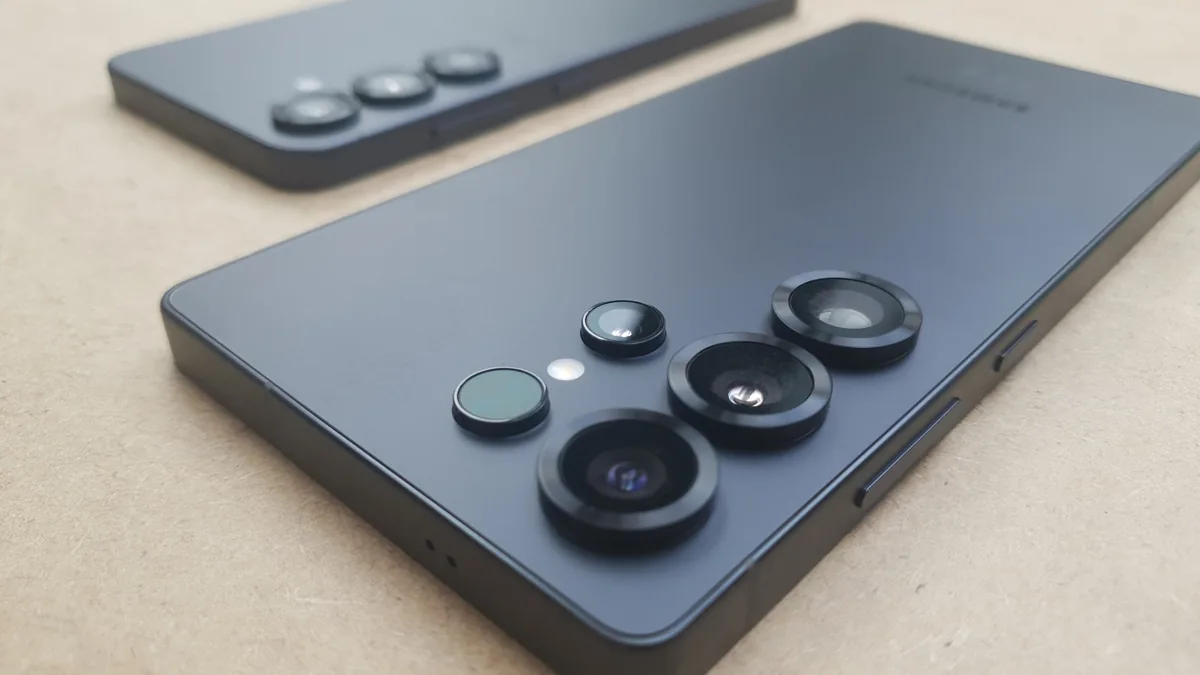
A rattling sound from an expensive phone can make any owner nervous, but the explanation is often less dramatic than it sounds. Modern Samsung phones, especially models with advanced camera hardware, can make a faint noise when shaken because the optical image stabilization parts move when the camera is not actively locked in place. It feels strange, but in many cases it is a sign of the hardware doing what it was built to do.
This kind of detail matters because smartphones are now full of tiny mechanical systems that most users never see. Camera lenses shift, stabilization groups float, vibration motors move, speakers vent air, and folding hinges use layered parts. A phone may look like a sealed glass slab, but inside it is closer to a dense little machine. That makes some harmless sounds easy to misread as damage.
Samsung has leaned heavily into camera capability across its Galaxy lineup, which means more users are carrying phones with stabilization hardware that can move when idle. That engineering story connects with our Galaxy S26 FE benchmark story, because performance and camera hardware now define even midrange Galaxy expectations. Buyers do not only want a fast chip; they want the physical systems that make video and low-light photos look steady.
BGR explained why a Samsung phone can rattle when shaken and why the sound is often tied to the camera module. The useful takeaway is not to panic immediately. If the camera works normally, focusing is stable, video looks steady, and there is no new impact damage, the sound may be normal behavior rather than a repair issue.
There are still warning signs worth respecting. If the rattle is suddenly much louder after a drop, if images become blurry, if the camera struggles to focus, or if the phone vibrates oddly during recording, a service check makes sense. Normal optical stabilization noise is subtle. A damaged camera assembly can also make noise, so context matters.
The broader lesson is that phone ownership now requires a little hardware literacy. Companies advertise huge camera systems, periscope lenses, sensor-shift stabilization, and folding mechanics, but they rarely explain how those parts behave in daily life. A short explainer can save users from unnecessary anxiety and help them recognize when something actually needs attention.
Samsung should probably communicate these details more clearly inside support pages and setup tips. When a feature is physical enough to make sound, users deserve to know what normal sounds like. Until then, a small rattle from a Galaxy camera module is often less of a defect and more of a reminder that today's phone cameras are real optical devices packed into impossibly thin bodies.
This is also a good reminder to stop testing phones by shaking them aggressively. A quick accidental sound is one thing; repeatedly shaking a device to check for noise can stress parts that were not meant for that kind of movement. The better test is normal use. Open the camera, switch lenses, record video, focus on close and distant objects, and check whether the result looks stable. If performance is fine, the faint rattle is probably just the camera hardware at rest.