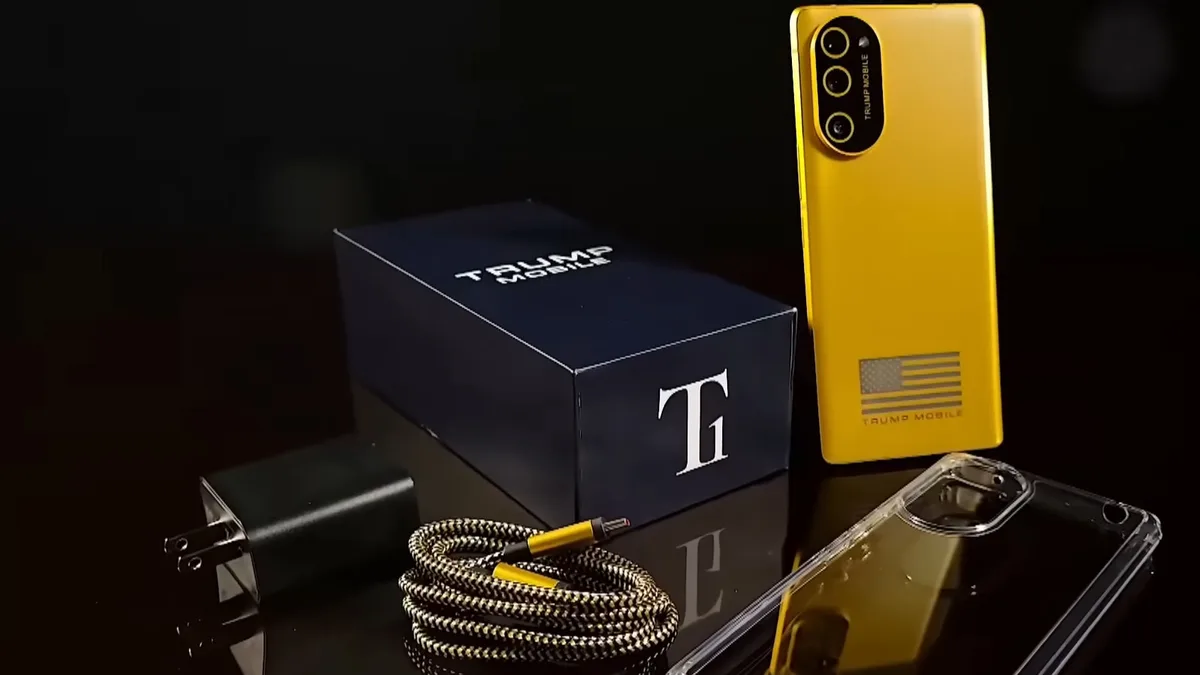
The Trump T1 phone is the kind of branded handset where the manufacturing story matters almost as much as the device itself. Any phone carrying a political name will attract attention, but attention is not the same as trust. Buyers need to know who designs it, who manufactures it, what software it runs, how updates are handled, and whether the promised origin story matches the supply chain reality.
That is why questions about where the T1 is made are not a minor footnote. Smartphones are deeply global products. Displays, chips, memory, batteries, cameras, boards, assembly lines, firmware, logistics, and compliance testing often cross multiple countries. A simple patriotic branding message can become complicated very quickly when the hardware is examined piece by piece.
Consumers have seen this pattern before with celebrity, gaming, privacy, and niche-branded phones. The brand gets headlines, but the long-term experience depends on the original device maker, software maintenance, security patch cadence, and repair support. A phone can look distinctive on a sales page and still feel generic or unsupported after purchase.
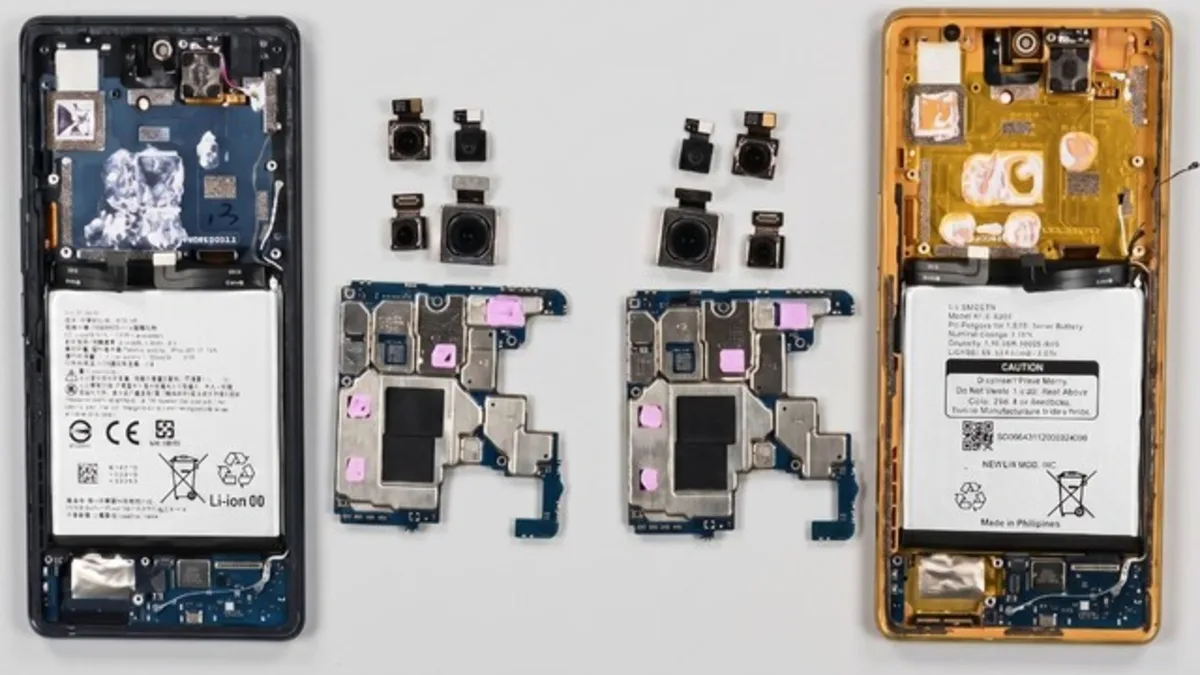
The manufacturing questions were examined by BGR, and the issue connects with our earlier Trump T1 hardware trust test. The central point is the same: a branded phone has to survive scrutiny beyond the logo.
Origin Claims Need Receipts
For buyers, the country-of-origin question is partly emotional and partly practical. Some people care because of jobs, trade policy, or national identity. Others care because manufacturing transparency can hint at quality control and accountability. Either way, vague wording is not enough. A phone brand needs clear statements about assembly, component sourcing, warranty responsibility, and software ownership.
Software may be the bigger risk. Hardware can be inspected, compared, and benchmarked. Software support is a promise about the future. If a branded handset depends on a third-party manufacturer that does not commit to long updates, the buyer may be left with a device that ages quickly. Security matters more when the marketing leans on trust.
There is also the issue of value. If the T1 is based on an existing white-label or lightly modified design, its price should make sense against comparable phones. Branding alone does not improve cameras, battery health, modem quality, or display durability. Enthusiasts will compare the parts, and mainstream buyers will feel the difference in daily use.
The Trump T1 does not have to be impossible to succeed. It needs transparent sourcing, realistic pricing, and a support plan that treats buyers seriously. Without that, the origin debate will remain louder than the phone itself.
Retail execution will matter too. A phone sold on identity still has to pass ordinary customer tests: does it activate easily, receive carrier support, include a clear return policy, and get repairs without confusion? Those details are not glamorous, but they are where trust becomes real. If the T1 wants to be more than a campaign-style gadget, it has to behave like a mature consumer electronics product.
That maturity should begin with documentation. Clear spec sheets, update promises, supported bands, manufacturer responsibility, and warranty terms would do more for confidence than another slogan. In a phone market full of strong alternatives, buyers can afford to demand proof before treating a branded handset as serious hardware.