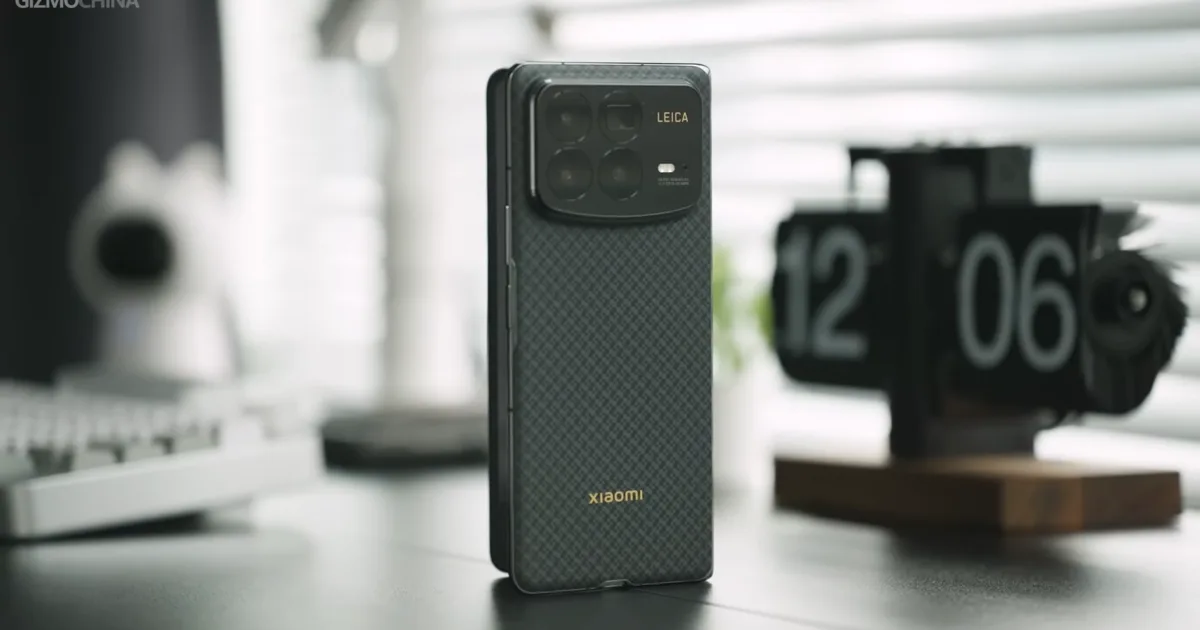
Foldable phones need chip tuning that goes beyond benchmark scores. The vivo X Fold 6 report around a customized Dimensity 9500 variant is interesting because it treats the foldable as a different workload, not just a normal flagship with a hinge. That is the right way to think about large-screen Android hardware in 2026.
A foldable has more interface states, more multitasking pressure, more display area, and more opportunities for AI features to work across apps. It has to manage two screens, different refresh behaviors, heat across a larger body, and battery use that can change dramatically depending on whether the phone is open or closed. A chip tuned for that environment could make the device feel more stable.
The AI part is especially relevant. Large inner screens are useful for translation, document work, meeting notes, split-screen research, image editing, and cross-app actions. Those are exactly the tasks phone makers now want to connect with on-device AI. A stronger NPU is not valuable only because it sounds future-proof; it matters if it makes those workflows faster and more private.
PConline reported that vivo and MediaTek have worked on a Dimensity 9500 "super" or customized version for the vivo X Fold 6, with the coverage highlighting NPU performance, efficiency gains, and AI use on a folding big screen. The report frames the chip as part of the phone's differentiated foldable experience.
That lines up with our earlier look at vivo's AI foldable direction. The best foldable features are not only about hardware flex. They are about making the larger canvas feel like it changes what a phone can do. Chip tuning can support that if the software follows through.
MediaTek also benefits from this kind of partnership. Qualcomm still carries enormous flagship mindshare, especially in global Android phones. A prominent foldable using a customized Dimensity chip gives MediaTek a chance to show that it can handle premium thermal, graphics, AI, and multitasking demands.
The risk is familiar: custom chip language can become marketing if users cannot feel the difference. Vivo needs to show faster app pairs, smoother large-screen gaming, better voice transcription, faster image tools, longer open-screen battery life, or cooler sustained performance. Otherwise, the custom tuning becomes just another phrase in a launch slide.
If vivo delivers, the X Fold 6 could help move foldables past the "thin hinge and nice display" stage. The next meaningful foldable upgrade may be a system where the chip, AI features, app layout, and screens are tuned together. That would make the big screen feel less like extra glass and more like a different kind of computer.
Preorder interest will be a useful early indicator, but long-term reviews will matter more. Foldable owners tend to be demanding because they pay more and use the device in more modes. If the custom chip keeps the phone smooth when two or three apps are open, when a meeting transcript is running, or when a game is stretched across the inner display, vivo will have a stronger story than raw benchmark wins. The foldable market needs that kind of daily proof.