Xiaomi's next software debut may not follow the obvious route. A new certification-linked report suggests HyperOS 4 might arrive first on an upcoming foldable rather than the Xiaomi 18 series. If accurate, that would be a notable shift because major Android skins often debut on a company's most traditional flagship line.
A foldable-first software launch would make sense if Xiaomi has meaningful multitasking or large-screen changes to show. Foldables need more than raw hardware. They need better app continuity, split-screen handling, floating windows, taskbars, keyboard behavior, camera layouts, and power management that responds to two different display modes. HyperOS 4 could use a foldable as the most visible stage for those improvements.
The certification angle also makes the rumor more concrete than general roadmap chatter. Model numbers and network records do not reveal the full phone, but they often show that a device is moving through the pipeline. If the same identifier has been tied to Xiaomi's next foldable in previous reports, the software connection becomes more interesting.
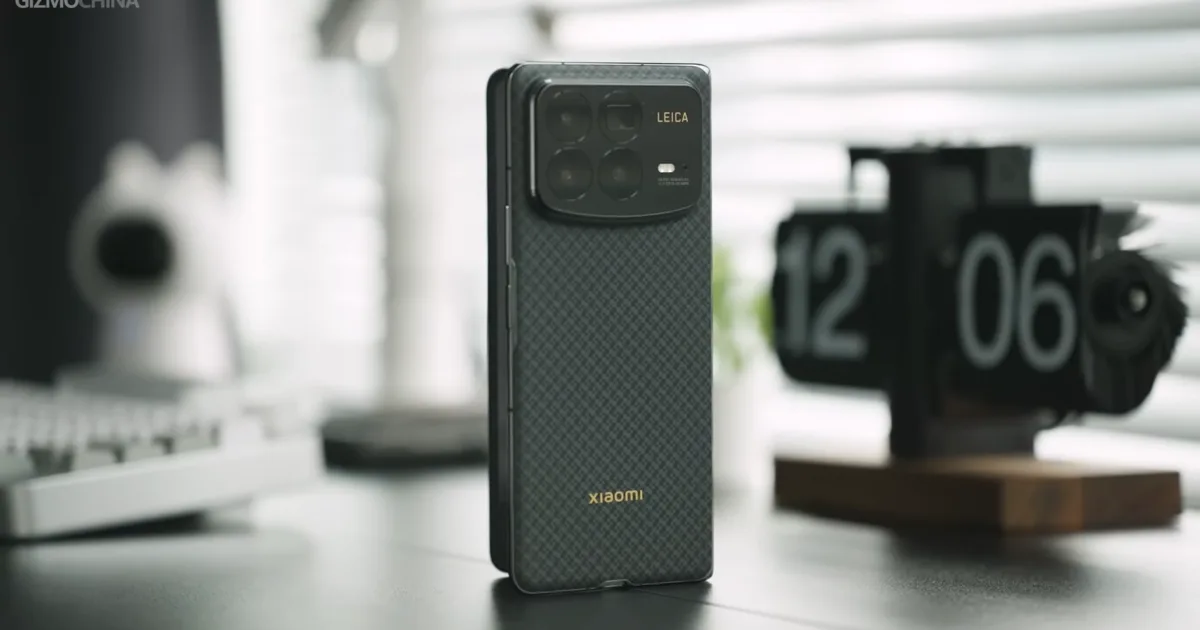
Gizmochina reported that HyperOS 4 may debut on a Xiaomi foldable instead of the Xiaomi 18 series, citing a network certification record connected to model number 2608BPX34C. The report links that model number to Xiaomi's upcoming foldable based on earlier information.
This is especially relevant after the Xiaomi Mix Fold 5 engineering leak we covered, which already pointed to camera and battery upgrades. If the next Mix Fold also becomes Xiaomi's first HyperOS 4 device, the phone could be positioned as more than a hardware refresh.
The risk is that Xiaomi's software story has to be consistent across markets. HyperOS has ambition, but global buyers judge it by notification behavior, update speed, app compatibility, bloat, and polish. A flashy foldable debut will only help if the system feels refined on normal phones too. Otherwise, the software launch becomes impressive for a small group and less relevant to everyone else.
A foldable-first approach could also help Xiaomi compete with Samsung, Vivo, Honor, and Oppo, all of which have been improving large-screen Android experiences. Xiaomi has strong hardware instincts, but foldables are judged by how often they make the big screen useful. HyperOS 4 has a chance to become part of that argument.
For now, the leak suggests Xiaomi may be ready to treat its foldable line as a software showcase. That would be a smart move if HyperOS 4 includes real large-screen improvements. The next Mix Fold does not only need thinner hardware and better cameras. It needs a system that makes opening the phone feel worth it every time.
The certification detail also gives Xiaomi a useful pacing opportunity. If the foldable appears before the Xiaomi 18 series, the company can introduce HyperOS 4 through a device that naturally demonstrates multitasking and continuity. Then the software can move to standard flagships with a clearer story already established. That is a better narrative than treating the foldable as a side product. It would make the Mix Fold line feel central to Xiaomi's platform strategy, not just a premium hardware experiment.
It also gives reviewers a cleaner test: open the phone, move between tasks, and see whether the new software actually saves time.