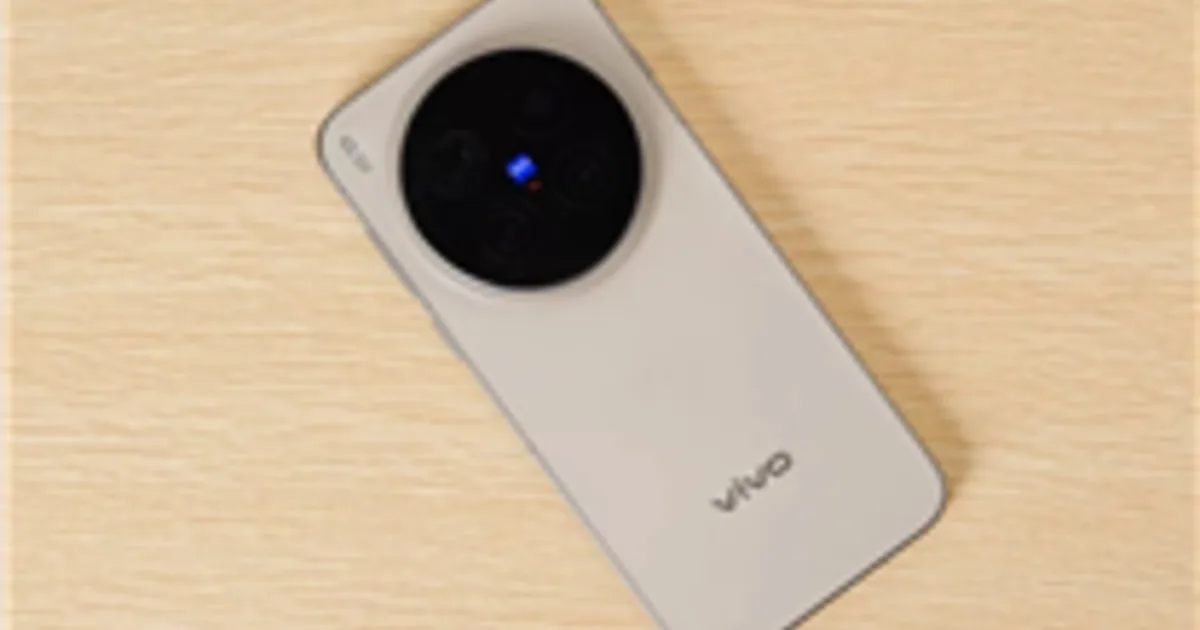
The next smartphone camera leap may come less from megapixels and more from how a sensor handles light. A new Chinese report around vivo X500 and Sony's LOFIC sensor technology points in that direction. If the leak is accurate, vivo is preparing to make dynamic range and highlight control a major camera selling point.
LOFIC matters because phone cameras struggle with scenes that contain bright highlights and deep shadows at the same time. Neon signs, sunsets, night streets, backlit portraits, and concert stages all push tiny sensors hard. Computational photography can recover a lot, but sensor-level improvements can give the software better raw information before processing begins.
That is why the rumored Sony sensor is more interesting than another large megapixel claim. A 50MP sensor with better full-well handling and highlight retention could make photos look more natural, especially in difficult lighting. It could also improve video, where phones cannot rely on the same multi-frame tricks as still photography without creating motion artifacts.
快科技 reported that vivo X500 may debut a new Sony sensor with a 1/1.28-inch class size and LOFIC technology. The report positions the sensor as a major imaging upgrade and connects it to vivo's next high-end camera push.
We have seen similar ambition in other camera experiments, including the Xiaomi rear display leak, where hardware design was used to rethink mobile photography. Vivo's rumored path is different. It is less about changing the phone's shape and more about improving the image pipeline at the sensor level.
The vivo X500 name also suggests the company wants a clearer flagship camera identity. Vivo has worked closely with Zeiss and has built a reputation for portrait processing and night photography. A stronger Sony sensor could give the next model a more technical story to match its software tuning.
The open question is whether the benefit will be visible to normal users. Camera marketing often promises professional language that turns into subtle differences in real photos. For LOFIC to matter, vivo will need to show obvious improvements in blown highlights, moving subjects, video exposure, and mixed lighting without making images look overprocessed.
If the leak holds, vivo X500 could push the camera race toward better light handling instead of only bigger numbers. That would be a welcome shift. Smartphone cameras already have enough pixels for most people. The next ceiling is realism, consistency, and dynamic range in the messy lighting where real memories happen.
There is also a strategic reason vivo would want to lead with sensor technology. Software processing can be copied or matched over time, but strong sensor partnerships help create a hardware story that feels harder to imitate quickly. If Sony's LOFIC approach gives vivo better highlight control in both photos and video, the company can market the X500 around real-world scenes instead of abstract lab numbers. That is the kind of camera improvement reviewers can test and buyers can understand.
It would also give vivo a clearer story against rivals that already compete heavily on zoom hardware, portrait tuning, and nighttime samples.