Code review has always carried two jobs at once. It is supposed to catch defects, but it is also supposed to spread context across a team. The problem is that those goals often collide. A busy teammate may spot style issues while missing the larger design risk, or approve a change late because the project needs to move. AI review tools are now pushing teams to ask which parts of review should happen before another human ever sees the pull request.
The argument for AI review is strongest on repetitive mistakes. Null checks, unsafe patterns, unused code, brittle tests, missing error handling, and inconsistent naming can waste human attention. If a model can catch those problems immediately, the human reviewer can spend more time on product behavior, architecture, security assumptions, and whether the change solves the right problem.
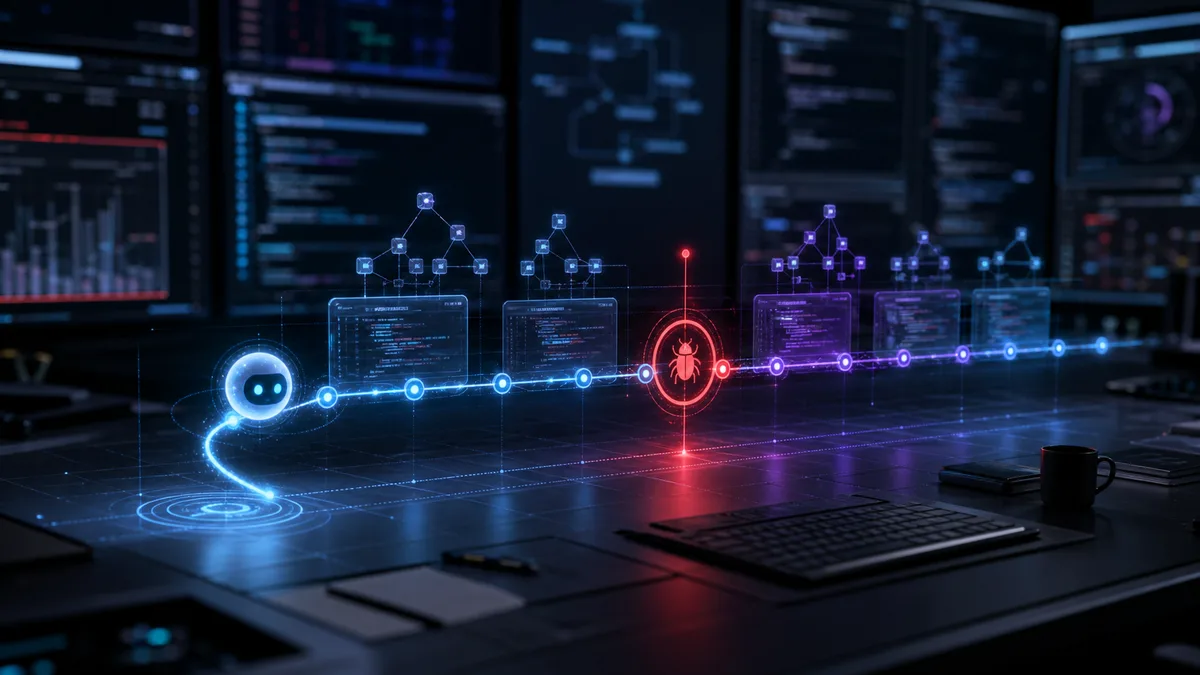
That does not mean AI should replace peer review. It means review may become layered. First the author asks the model to inspect the change. Then automated tests run. Then a human reviews the smaller, cleaner diff with more context. Done well, the process moves quality control earlier and makes the human conversation more valuable.
The New Stack covered the idea that AI can review code in ways that reduce routine human review waste. The strongest version of that claim is practical, not magical. AI review is useful when it is treated as an always-available first pass, not as a final authority.
The shift fits the direction of tools like the Microsoft AI Terminal preview, where developer environments are becoming agent workspaces. If the coding surface already understands commands, files, logs, and tests, code review can happen inside the workflow instead of waiting for a separate pull request page.
Teams still need discipline. AI reviewers can over-comment, hallucinate issues, or miss project-specific context. If the tool floods developers with low-value suggestions, people will ignore it. The best systems need severity filters, project rules, examples of accepted patterns, and an easy way for maintainers to teach the reviewer what matters in a specific codebase.
There is also a social side. Human review is partly about shared ownership. Junior developers learn by seeing how senior teammates think. Senior developers learn when a change exposes hidden product constraints. If AI removes every conversation, a team may get faster and less aligned. The goal should be fewer stale comments and more useful human discussion, not silence.
The future of code review is likely to be more continuous. Instead of a single gate at the end, quality checks will appear while code is being written, before commits, during test runs, and again at merge time. AI belongs in that chain if it reduces noise and preserves accountability. The winning tools will not be the ones that sound most confident. They will be the ones developers trust enough to run before asking another person for time.
That trust will come from evidence. A useful reviewer should point to the exact line, explain the risk in project language, and be easy to dismiss when it is wrong. Developers do not need another loud bot in the pull request. They need a quiet assistant that catches real mistakes early enough to change the work.