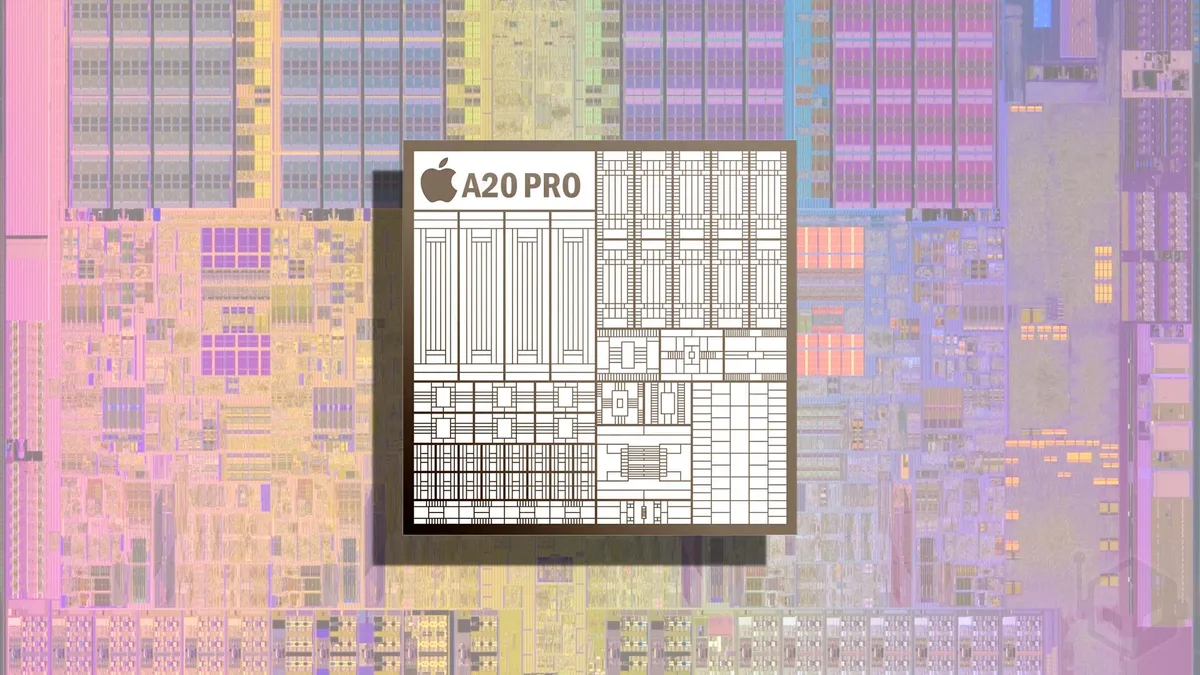
The latest Apple A20 Pro leak is not exciting because a tiny logic board photo can tell the whole story. It is exciting because it points toward the part of the iPhone that Apple now has to improve most aggressively: local AI. Camera pipelines, voice features, image editing, personal context, and offline assistance all depend on the same uncomfortable truth. The phone needs more intelligence without sending everything to the cloud.
A larger or more capable NPU would fit that direction. Apple has spent years selling privacy and device-level integration, but generative AI raises the technical bar. A model that feels instant on a laptop can feel heavy on a phone. The chip has to juggle memory bandwidth, heat, battery life, and camera workloads while still leaving enough headroom for normal app use.
The packaging detail is also worth watching. Phone logic boards are already crowded, and any change that keeps package size stable while expanding neural capacity would be valuable. That would let Apple improve AI throughput without forcing a larger internal redesign, which matters in a product where every millimeter is fought over by camera modules, batteries, antennas, and thermal materials.
Wccftech reports that an alleged iPhone 18 Pro logic board leak shows newer A20 Pro packaging with a bigger NPU while keeping the package size close to the A19 Pro. If accurate, that suggests Apple is trying to increase AI capability without making the chip package a larger physical burden.
This would line up with the broader chip direction we covered in our earlier look at Apple's next 2nm iPhone chip cycle. The phone market is moving from simple benchmark comparisons toward a more specific contest: which chips can run useful AI features locally, repeatedly, and without draining the battery.
The risk is that Apple builds more AI silicon before the software feels ready. Hardware can prepare the ground, but users judge the experience through features: better Siri behavior, reliable photo tools, smarter notification handling, safer text assistance, and faster offline tasks. If the leak is real, the A20 Pro may be less about winning one benchmark and more about giving Apple enough local compute to make its AI promises feel practical.
The developer impact could be significant. If Apple exposes stronger local AI capabilities through stable frameworks, app makers can build features that do not depend entirely on server calls. That would help apps that handle private notes, photos, voice recordings, health data, or business documents where users may not want cloud processing.
Thermal design will remain the hidden constraint. A phone can run one impressive AI task briefly, but daily usefulness depends on repeated workloads that do not heat the device, dim the screen, or punish battery life. Apple's chip design has often been strongest in that sustained-efficiency zone, which makes the NPU leak more believable as a strategic focus.
The leak also shows how phone performance marketing is changing. CPU and GPU gains still matter, especially for games and camera processing, but the most visible future improvements may come from smarter assistants, local media tools, and privacy-preserving automation. That makes the neural engine less of a spec line and more of a product promise.
There is also a competitive reason to invest early. Android chipmakers are already making AI acceleration a central selling point, and Chinese phone brands are quick to advertise model features at launch. Apple prefers to describe user benefits rather than component details, but it still needs silicon that lets those benefits arrive without apology.