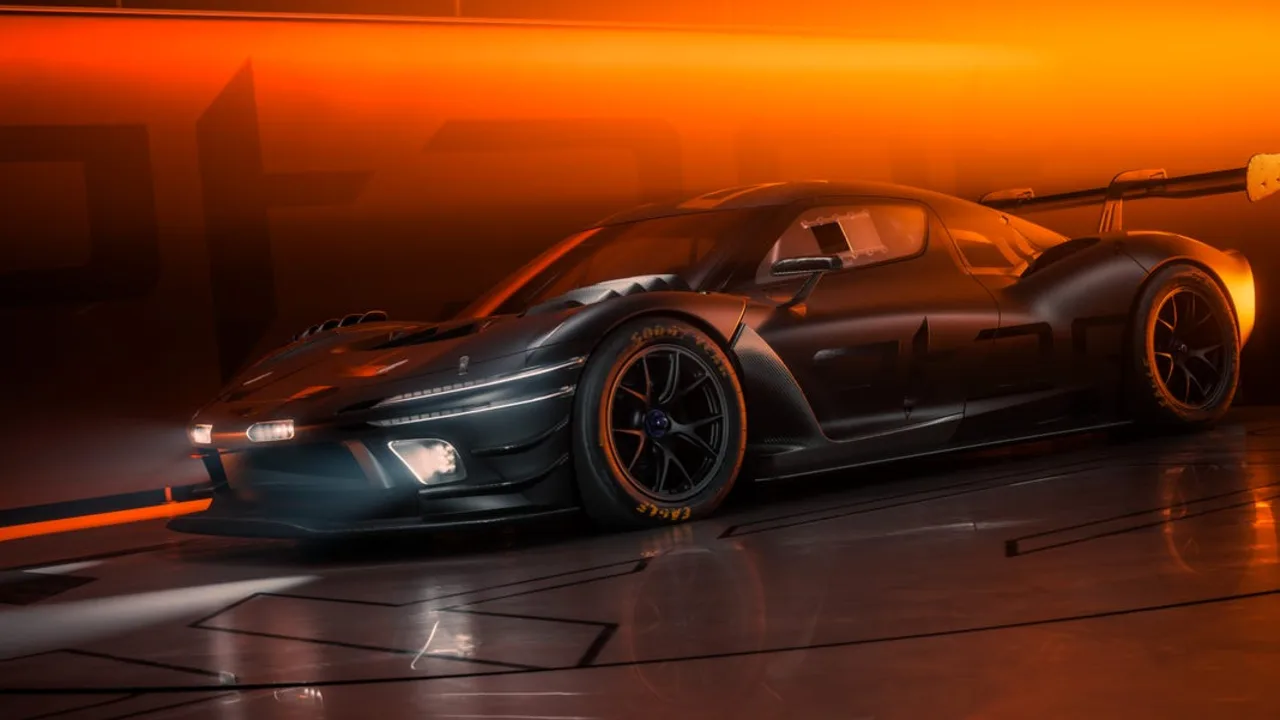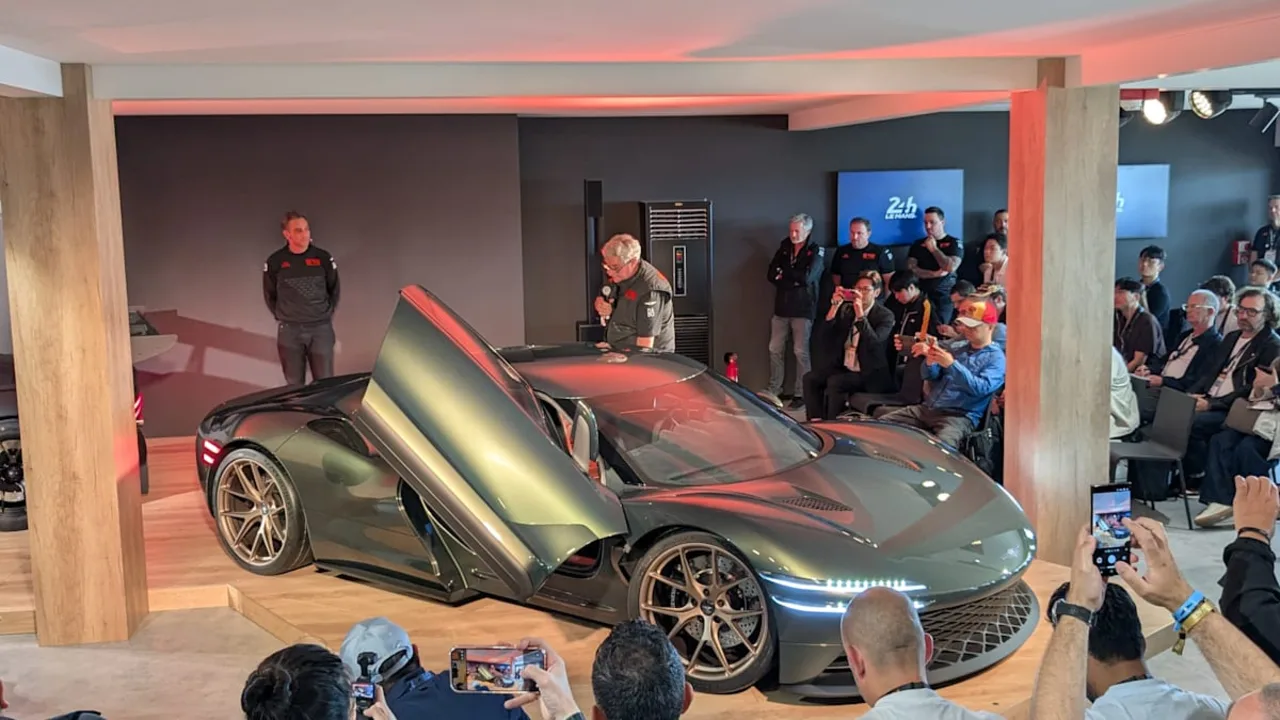
The Genesis Magma GT has always looked like the brand's most ambitious design statement, but the latest focus on its cabin makes the project feel more serious. Exterior drama is easy to show in a concept car. Interior intent is harder. A cabin has to answer practical questions about driving position, visibility, controls, materials, instrumentation, and whether a car is meant to be admired from outside or actually driven hard. Genesis now appears to be pushing the Magma GT toward the second answer.
That matters because performance brands are often born in the cabin as much as under the bodywork. A driver can forgive a limited luggage compartment or tight entry if the seating position, wheel, pedal spacing, sightline, and controls feel right. A supercar interior that becomes a wall of screens can feel expensive but disconnected. Genesis seems to be looking for a more tactile direction, which fits a grand-touring performance model better than a purely digital lounge.
The cabin story also connects to the new Genesis GT3 concept. A racing variant gives the Magma idea technical weight, but the road car still has to carry the emotional part of the brand. If the GT3 concept is about credibility on track, the Magma GT interior is about whether Genesis can make a driver-focused halo car without copying the usual supercar templates.
WELT described the Magma GT as a Le Mans-adjacent sports-car study that could point toward a future road model, especially because the GT3 concept suggests a production connection may eventually be needed. The report emphasized the car's low nose, wide fenders, mid-engine proportions, dramatic doors, and a driver-focused cockpit with more traditional performance cues.
That last part is the most interesting. Genesis has built a reputation on elegant interiors, but a supercar asks for a different kind of restraint. Too much luxury can make a performance car feel heavy and remote. Too much minimalism can make it feel unfinished. The sweet spot is a cabin that is rich enough to justify the badge but direct enough to keep the driver at the center. A simple instrument focus, a tight cockpit, and physical orientation around the driver all suggest Genesis understands that difference.
Powertrain details remain the open question. Genesis has not turned the Magma GT into a production-spec sheet, and the market is split between combustion nostalgia, hybrid performance, and fully electric acceleration. A combustion or hybrid halo car would give Genesis sound, endurance, and racing links. A battery-electric version would align with the industry's software-defined future but would need to avoid becoming just another extremely quick EV. The right answer depends on what Genesis wants Magma to mean five years from now.
The business case is just as important as the engineering. A low-volume halo car is expensive to develop, difficult to certify, and easy to admire without buying. But it can reshape a brand if it gives the rest of the lineup a stronger identity. Genesis already has luxury credibility in sedans and SUVs. A serious Magma GT would show that the brand can make something aspirational, not merely well-equipped. It would give dealers, designers, and future performance trims a clearer story.
The interior reveal therefore does more than show upholstery and controls. It suggests Genesis is thinking about how the Magma GT would feel from the driver's seat, not just how it photographs under studio lights. Combined with the GT3 concept, the project now looks less like a one-off sculpture and more like a performance ecosystem being tested in public. Genesis still has to build the production bridge, but the direction is becoming easier to read.