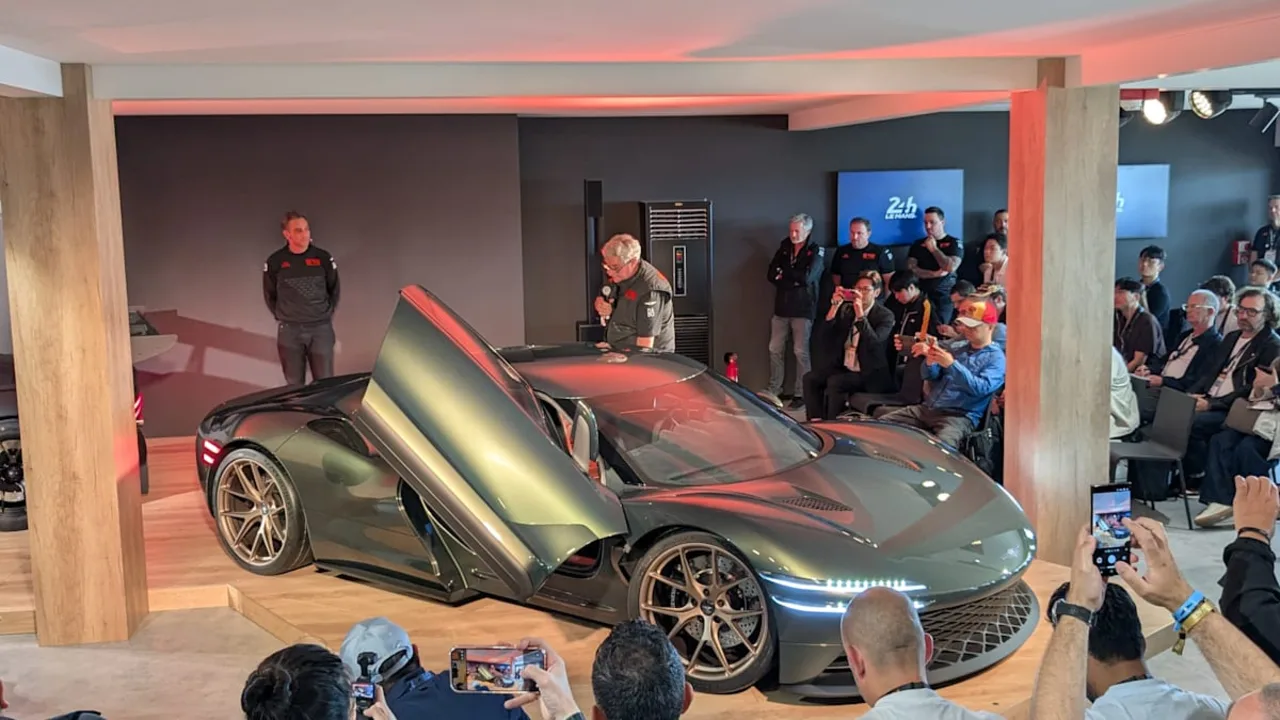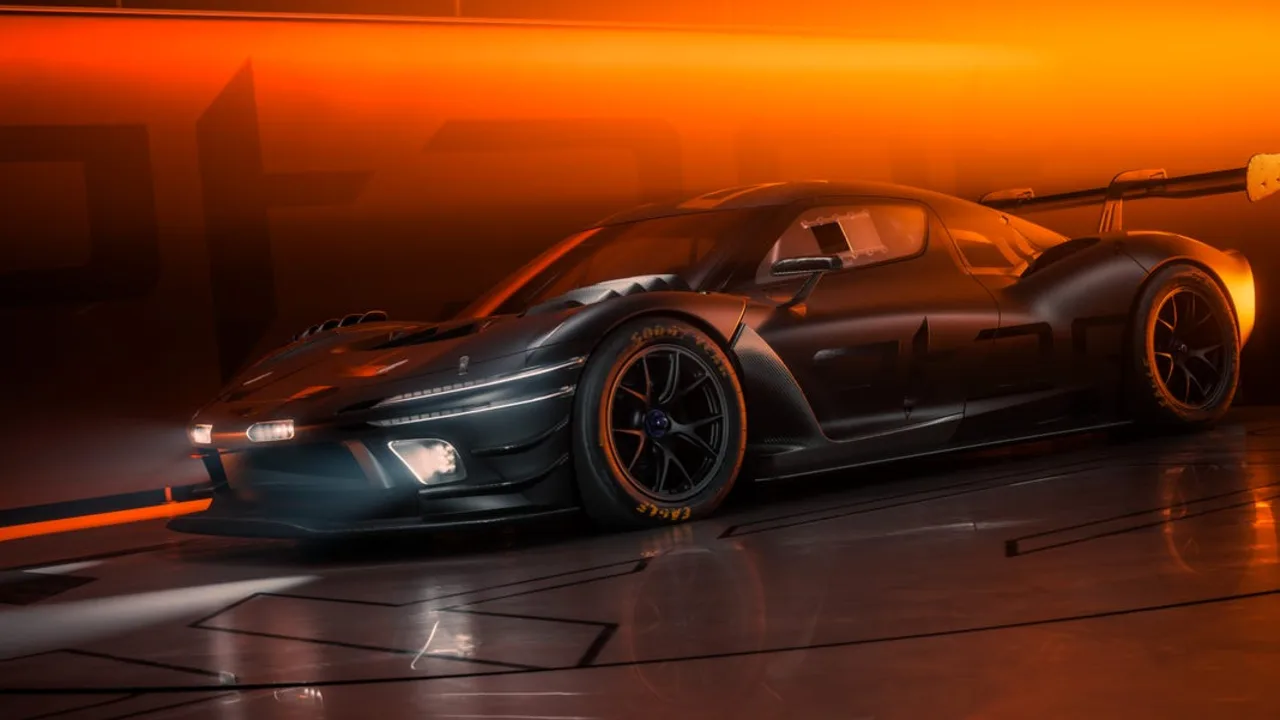
Genesis has spent the last few years proving it can design desirable luxury cars. A GT3 concept asks a harder question: can the brand make performance feel credible in a space where image alone is not enough? Racing customers, homologation rules, endurance testing, cooling demands, and service support are less forgiving than a motor-show stage. That is why the new Genesis GT3 concept matters. It moves Magma from a style story toward a motorsport commitment.
The timing is deliberate. Showing the concept around Le Mans gives Genesis a global performance backdrop and connects the car to the brand's wider endurance-racing ambitions. Le Mans is not just another reveal venue. It is where manufacturers try to prove that engineering can survive pressure, heat, speed, and long-duration reliability. For a luxury brand still building its performance identity, that association is valuable only if the car eventually backs it up.
The GT3 concept also changes how the Magma GT should be read. A dramatic road-car concept can remain a design exercise forever. A GT3 version raises the stakes because modern GT3 racing usually depends on a production-based foundation, customer teams, and a business case beyond brand theater. We have already seen another performance brand wrestle with the shift from old mechanical identity to new technology in BMW M's Neue Klasse concept, and Genesis is facing its own version of that identity test.
Car and Driver reported that the Genesis GT3 Concept was shown at Circuit de la Sarthe ahead of the 2026 24 Hours of Le Mans. The concept builds on the Magma GT design direction and adds the visual language expected from a racing program, including a broader stance, specialized bodywork, a mid-engine-style layout impression, and a fixed rear wing.
Those details are important because GT3 cars are not only fast versions of road cars. They are packages built around balance, serviceability, aero consistency, and customer usability. The best GT3 programs give teams a car that is fast enough to win but predictable enough to run across different tracks and driver lineups. That requires more than a loud design. It requires cooling that works in traffic, brakes that survive long stints, parts that can be replaced quickly, and electronics that make sense to race engineers.
Genesis has a brand advantage here because it is not carrying decades of purist baggage. It can define Magma around modern grand touring, design, and technology without apologizing for not being an old European badge. The risk is that the same clean-sheet advantage can look thin if the racing story never becomes real. Buyers and fans can tell when a performance subbrand is built only from paint colors, trim pieces, and launch videos. A GT3 path would force Genesis to make Magma measurable.
The concept also hints at how luxury performance is changing. Traditional supercar brands used racing to sell road cars. Newer premium brands may use racing to prove they belong before the highest-end road cars arrive. If Genesis can connect its Magma GT, GT3 concept, and endurance program into one coherent ladder, the brand could create credibility faster than it could through showroom trims alone. That ladder would run from design concept to track machine to customer-facing halo car.
There is still a long gap between a concept and a competitive GT3 entry. Genesis has to decide whether it wants a full customer-racing program, a limited factory-backed effort, or simply a design preview wrapped in motorsport language. The concept is strongest if it becomes the first step in a proper program. A real GT3 car would give Magma something marketing cannot manufacture: lap data, race results, reliability lessons, and a reason for performance buyers to take Genesis seriously.