India's car market has three different model stories moving at once today: a performance SUV edging toward launch, a mainstream hatchback leaking ahead of debut, and a rugged SUV facelift continuing road tests. Taken together, the Skoda Kodiaq RS, next-generation Hyundai i20, and Mahindra Scorpio N facelift show how broad the country's new-model cycle has become. Premium imports, compact hatchbacks, and ladder-frame SUVs are all fighting for attention in the same news window.
The Skoda Kodiaq RS is the most premium of the three. It matters because RS branding in India has usually carried a stronger enthusiast signal than a normal trim badge. For Skoda, bringing the Kodiaq RS into the market gives the company a way to sell performance, family practicality, and scarcity in one package. It is not aimed at the same buyer as a compact SUV. It is aimed at someone who wants a seven-seat premium SUV with a sharper identity than the regular Kodiaq.
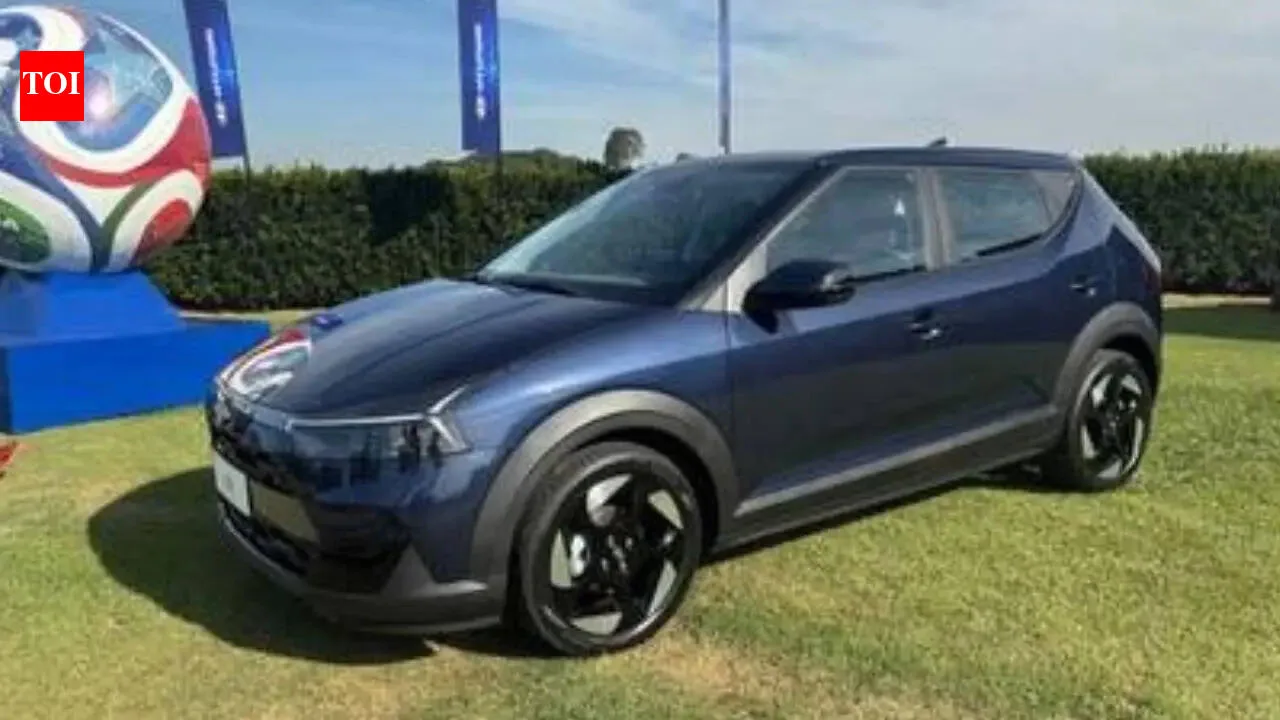
The Hyundai i20 leak is important for the opposite reason. The i20 is a mainstream nameplate, and changes to its design and cabin affect a much larger group of buyers. Connected lighting and bigger screens suggest Hyundai wants the next i20 to feel more premium and more digital without leaving the hatchback segment. That is a familiar strategy in India, where buyers often compare features as closely as engine options. A hatchback that looks more advanced can defend its position even as compact SUVs continue to pull buyers away.
Mahindra's Scorpio N facelift sits in a third lane. The Scorpio N is not about urban slickness alone. It is about road presence, rugged appeal, family use, and the emotional value of a tough SUV badge. A facelift this early in its cycle would not need to reinvent the vehicle. It needs to refine the parts buyers notice every day: front-end styling, lighting, infotainment, driver-assistance features, cabin finish, and possibly variant packaging. That is often how a strong model stays fresh without becoming a new generation.
Times of India reported the new i20 leak today, while its auto coverage also pointed to the Kodiaq RS booking timeline and another Scorpio N facelift sighting. The combined signal is clear: India's June launch calendar is not only about electric vehicles or one body style. It is a mixed market where petrol, diesel, hybrid-ready platforms, performance trims, and future EV pressure all overlap.
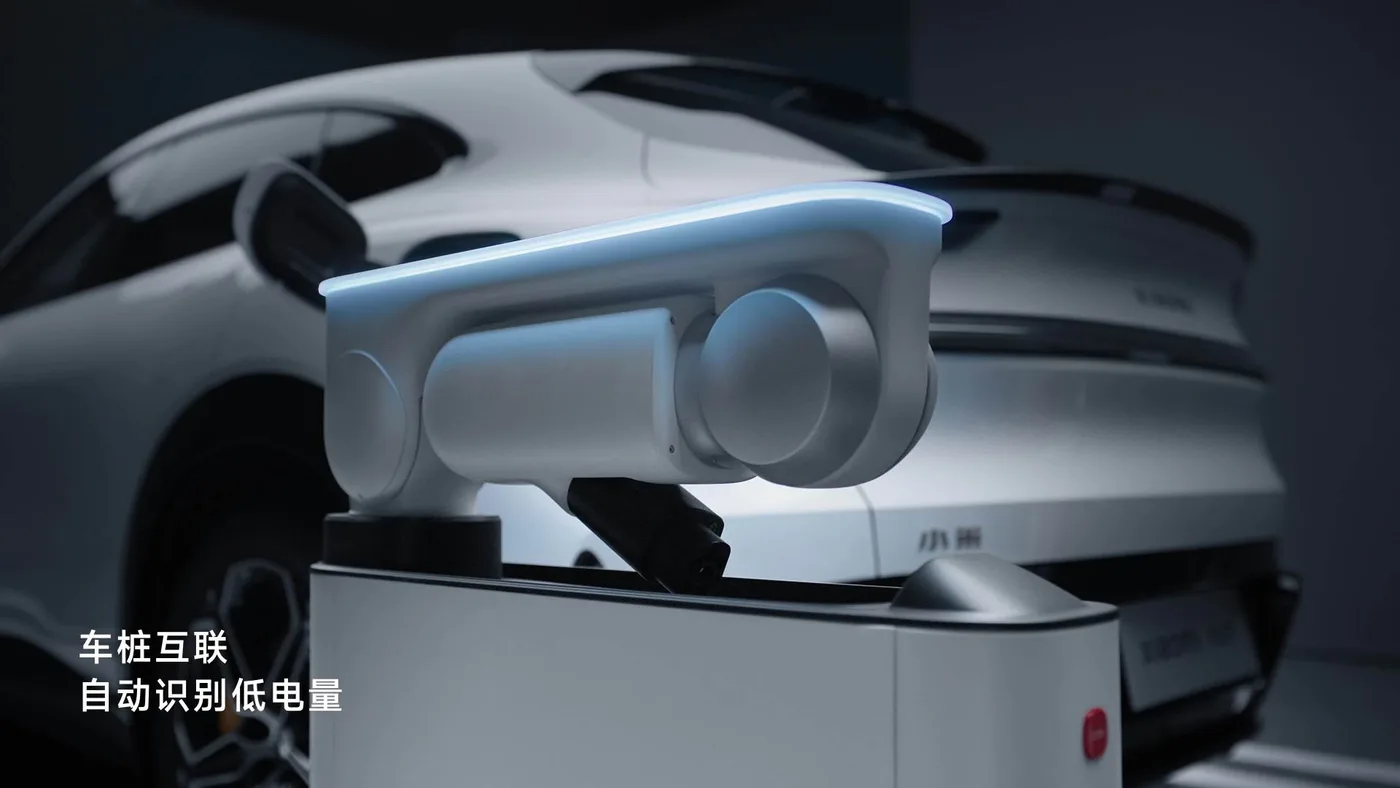
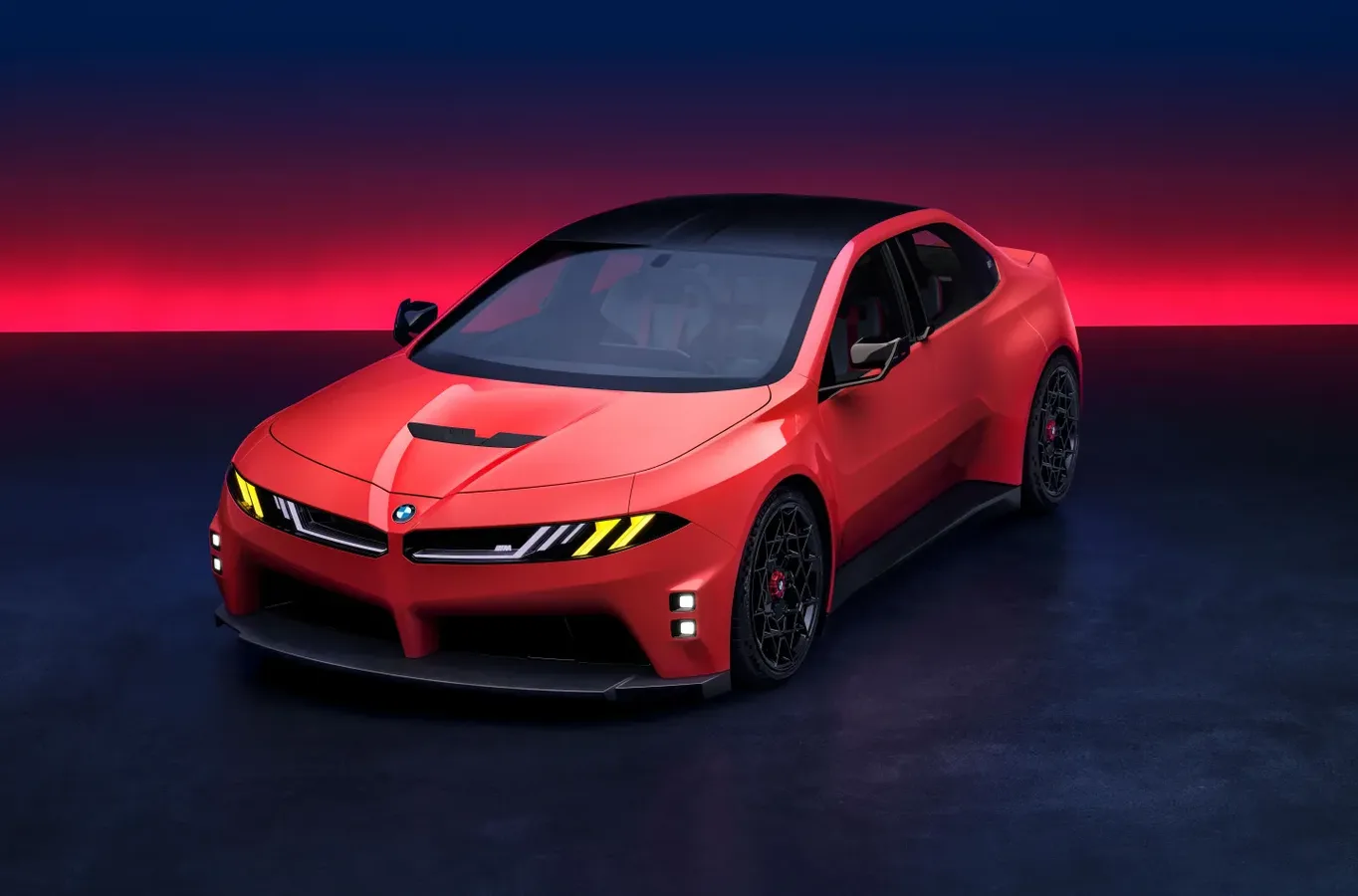
That is why Automotive is the right category for these stories rather than keeping electric vehicles separate. The car market no longer fits cleanly into fuel silos. A buyer comparing an SUV may be watching petrol running costs, diesel availability, hybrid rumors, resale value, ADAS features, charging infrastructure, and software updates at the same time. We moved related local coverage, including BMW's Neue Klasse M concept and Xiaomi's automated charging arm, into Automotive for that reason.
The three India updates also show how automakers use different kinds of news. Skoda is using a booking date to build a controlled performance-launch window. Hyundai is dealing with a leak that may still help create early interest before the official reveal. Mahindra is being watched through test sightings, which can keep an established SUV in the conversation before formal details are ready. Each route builds anticipation differently, but all of them feed the same buyer behavior: people want to know whether to buy now or wait.
For shoppers, the practical takeaway is segmentation. The Kodiaq RS is a limited, expensive, enthusiast-leaning SUV story. The i20 is a mass-market design and cabin update story. The Scorpio N facelift is a durability-and-presence story with potential feature improvements. They should not be judged by the same checklist. What connects them is timing. India's auto market is entering a fresh model-watch phase where updates are arriving across price bands, not just at the top or the EV edge.
The next step is confirmation. Skoda has the clearest timeline because bookings are tied to a date. Hyundai still needs to reveal the full i20 package, including powertrain, market timing, and India-specific equipment. Mahindra still needs to show how far the Scorpio N facelift goes beyond camouflage. Until then, all three models deserve attention for different reasons. They show a market that is not waiting for one technology shift to define the next wave of cars.