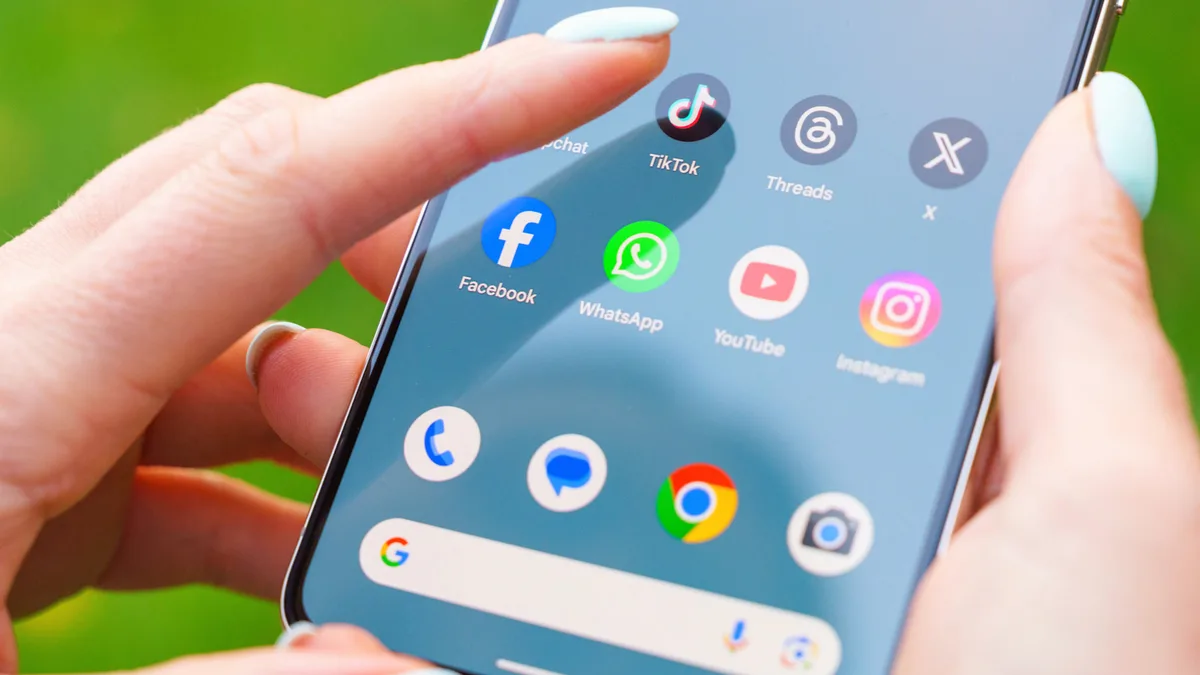
The new disco-style Pixel icons are not a major hardware leak, but they show something important about modern phone updates. Small visual changes can travel widely when they make a device feel more personal. In a market where many phones already run fast, take good photos, and last through the day, personality has become part of the upgrade story.
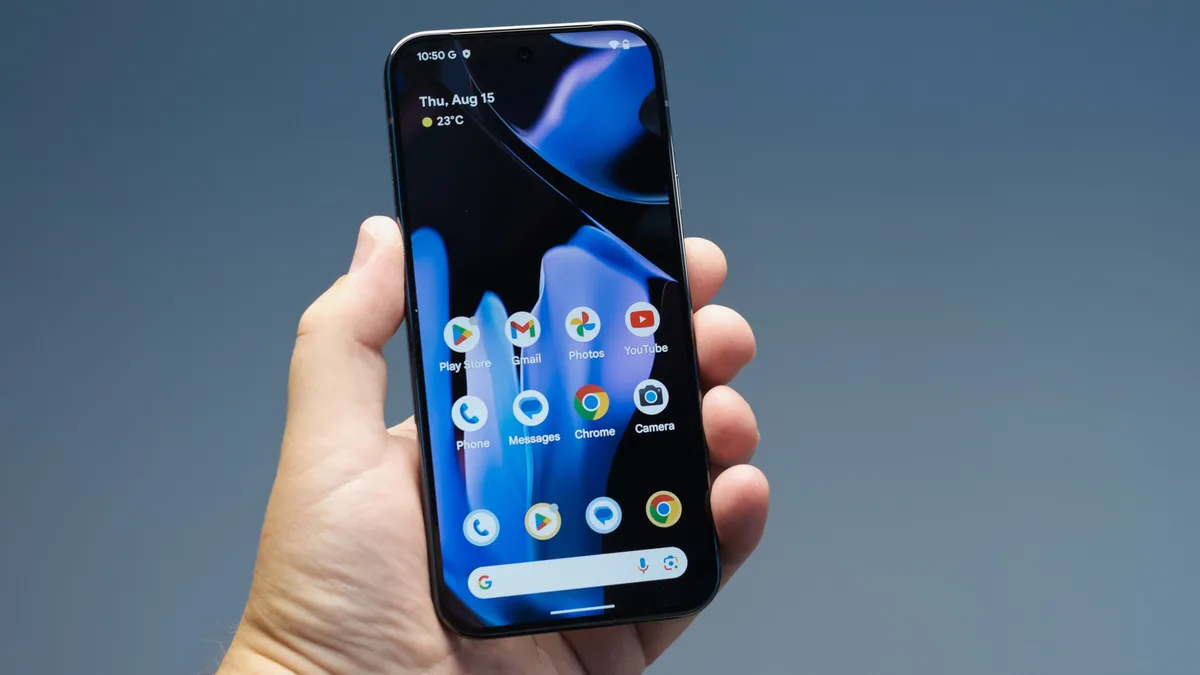
Google's Pixel Launcher has always carried a specific identity: clean, direct, search-first, and slightly playful when Google allows it. A shiny animated icon pack fits that identity better than a long list of hidden settings. Users can see it immediately, show it to someone else, and decide whether the phone feels fresh. That kind of visible update is valuable because many Android improvements happen quietly in background services, security patches, and app frameworks.
The feature also connects to Google's broader customization push. Android has spent years moving from functional theming toward more expressive phone surfaces, including Material You colors, lock screen options, widgets, and app icon treatments. Our recent look at Google Messages drafting changes showed the practical side of that work. Pixel icons show the emotional side: a phone should feel useful, but it should also feel like it belongs to its owner.
BGR covered how Pixel owners can access the new Disco icons through Android 16 customization. The mechanics matter because features like this often live one or two taps deeper than casual users expect. If Google wants customization to feel mainstream, it has to make discovery easy rather than relying on power users to explain every setting.
The bigger question is whether animated or glossy icon styles will remain a novelty or become part of Pixel's regular seasonal rhythm. Google could use icon packs to tie into feature drops, cultural events, or device launches without changing the whole launcher. That would give Pixel phones a lightweight way to stay visually current, similar to wallpapers and themed collections.
There is a limit, though. Too many visual effects can make a launcher feel busy, and animations must be efficient enough not to hurt battery life or accessibility. Google has to keep the option fun without forcing it on users who prefer calmer home screens. The best customization is reversible, understandable, and respectful of motion sensitivity.
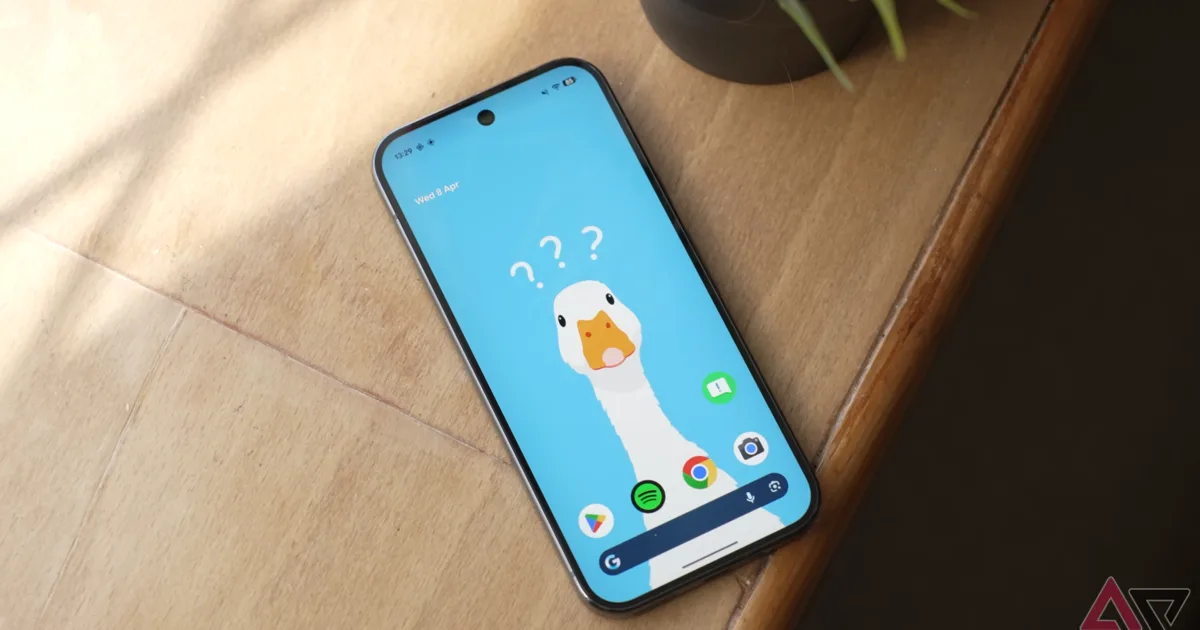
The social side should not be ignored either. Home screens have become something people share in screenshots, setup videos, and quick recommendations. A small icon style can spread farther than a hidden system optimization because it gives users a visible reason to talk about the update.
For Pixel buyers, the Disco icons are a reminder that software support is not only about the number of years promised. It is also about whether updates keep the phone feeling alive. Security patches are essential, but they are invisible. A new icon style is not essential, but it is immediately noticeable. Good phone software needs both.
This is why small Pixel updates can still matter. They help Google build a relationship with users after the purchase. A phone that changes in useful and tasteful ways feels less disposable, and that can be just as meaningful as another colorway or a slightly faster chip.