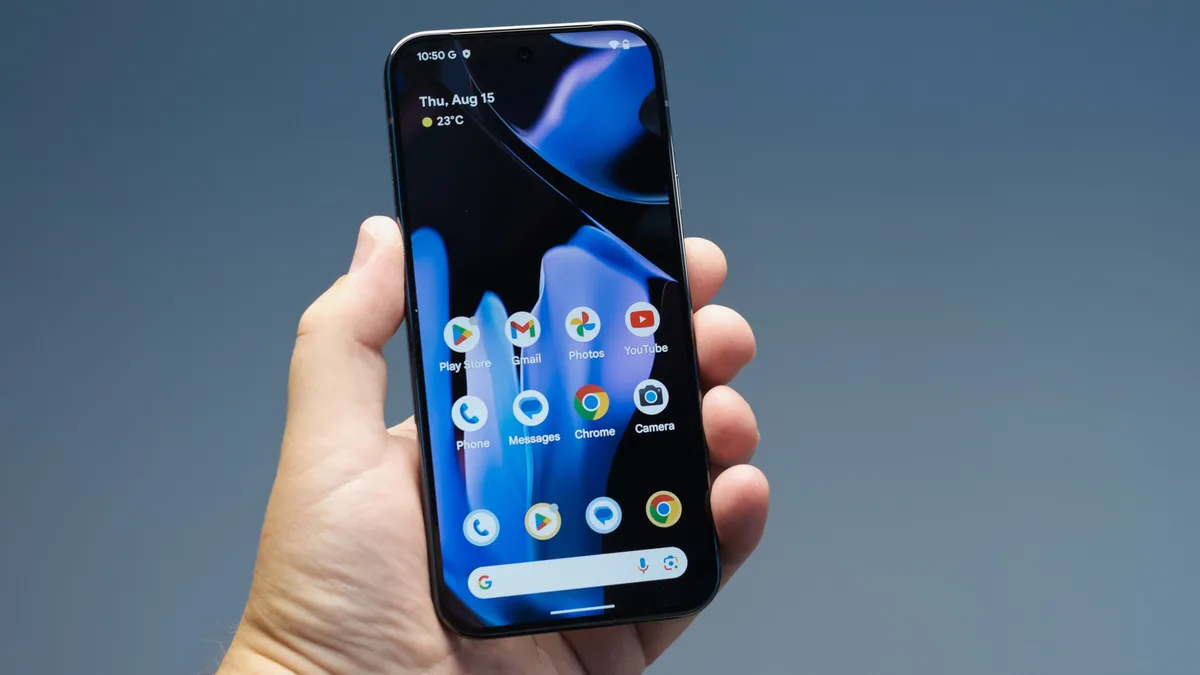
Not every useful phone story needs to be about a new chip or a leaked render. Sometimes the more interesting update is a feature already sitting in front of users that many people have never tried. Google's Pixel Select feature in the Recent Apps screen is one of those small tools that can quietly change how a phone feels during normal use.
The idea is simple. When a user opens the app switcher on a Pixel, they can select text or images from app previews without fully entering the app again. That can save time when copying an address, grabbing a phrase from an app that normally blocks selection, or pulling information from a screen during multitasking. It is not dramatic, but it is practical.
BGR highlighted the Pixel Select feature as a convenient tool hidden in plain sight. The report is useful because it reminds readers that phone software value is not only about the newest version. It is also about whether people actually discover the tools already built into the device.
Pixel phones have long used small software tricks to stand apart. Call Screen, Recorder transcription, Now Playing, Magic Eraser, and contextual selection all fit the same pattern. Google often wins attention by reducing the tiny annoyances that appear dozens of times a week. The features do not always sell phones by themselves, but they make owners more loyal once they become habits.
That is similar to the point we made in our coverage of Google Pixel disco icons and small phone updates. Minor changes can travel widely when they touch everyday behavior. A phone is not only a camera and processor. It is a collection of shortcuts, defaults, and interface choices that either remove friction or add it.
The challenge for Google is discoverability. A hidden feature is useful only after someone finds it. Pixel Tips, onboarding cards, and contextual hints can help, but Google also has to avoid making the phone feel noisy. The best solution may be subtle prompts that appear when the system detects repeated copying, screenshots, or app switching. That would teach the feature at the moment it becomes relevant.
There is also a privacy expectation. Because the feature reads app previews, users may wonder what the system is analyzing. Google needs clear boundaries around on-device processing and app compatibility. Most users will not object to text selection from a recent screen, but trust depends on explaining that the phone is helping locally rather than sending every preview somewhere else.
The Pixel Select feature is a reminder that mature phone platforms still have room to improve. The next big smartphone upgrade may be a foldable, a brighter display, or a better camera. But the feature people use every day could be a quiet shortcut that saves five seconds at a time.
This is also the kind of feature that competitors can copy, but Google benefits from making it feel native first. If contextual selection becomes part of how Android users move information between apps, Pixel phones get credit for making the habit visible. The lesson for phone makers is simple: useful software does not always need a keynote. Sometimes it needs better placement in a screen people already open every day.