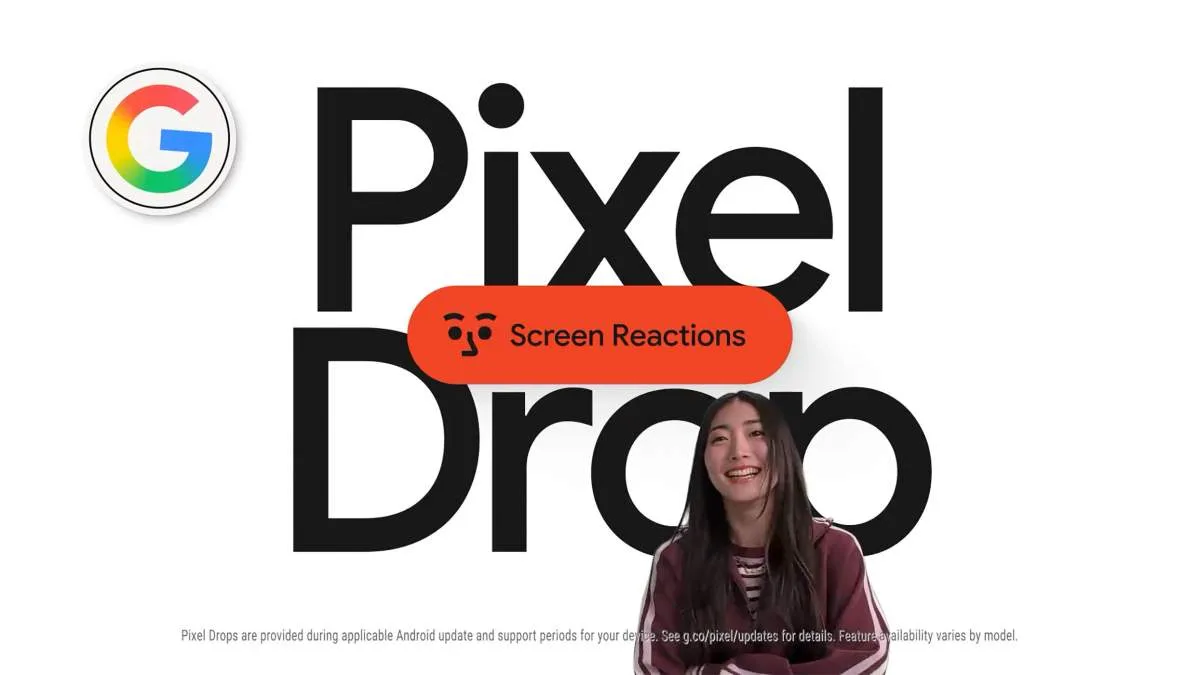
Google's Pixel updates have become a second product launch cycle, and a fresh tease around the next Pixel Drop shows why. The latest clue points to features such as screen reactions, creator-focused overlays, Gemini-related tools, and music generation. Even if some of the ideas were previewed earlier, the way they are being packaged suggests Google wants Pixel owners to feel that their phones keep changing after purchase.
That is a powerful advantage when hardware differences are harder to see. A Pixel phone may not always win on raw battery size or charging speed, but Google can make the device feel current by shipping practical features between major Android releases. The challenge is making those features understandable. A Pixel Drop works best when users can open the update and immediately see what changed in camera, messaging, calls, search, or screen recording.
Screen reactions are especially interesting because they sit between communication and content creation. If Google lets users add expressive reactions during recording or sharing, the feature could make tutorials, gaming clips, video messages, and quick explainers feel more personal. That connects with Google's broader push around Android tools such as the Android reaction video feature, where the phone becomes a lightweight creator device rather than just a screen capture tool.
Droid Life spotted the Pixel Drop material through an ad path tied to Amazon and Google, including videos that were not broadly surfaced elsewhere at the time. That is the kind of accidental or semi-quiet discovery that makes Pixel update watching more interesting. Google often reveals the shape of an update through support pages, ads, app strings, or short videos before a formal announcement lands.
The Gemini references are more complicated. Google has already talked about several AI tools at I/O, and some capabilities exist in paid tiers or separate Gemini experiences. A Pixel Drop can make those ideas feel more device-native if the features are integrated into the phone's everyday flow. The difference between "Gemini can do this somewhere" and "my Pixel now does this right here" is what determines whether a feature becomes habit.
There is also a risk of update fatigue. If a Pixel Drop mixes genuinely new phone features with renamed or repackaged AI tools, users may struggle to understand what is actually arriving. Google needs clean release notes, consistent naming, and clear availability by region and model. Otherwise, the Drop becomes another marketing phrase rather than a useful reason to own a Pixel.
Still, the tease fits Google's strongest phone strategy. Pixel hardware is not just sold on launch-day specs; it is sold on the idea that Google can keep improving the device through software. Camera features, call tools, wallpapers, AI writing help, and customization options all reinforce that message when they land smoothly.
If the upcoming Pixel Drop does include screen reactions and related creator tools, it could be a small but memorable update. It would not change the processor or camera sensor, but it could change what people make with the phone. In a mature smartphone market, that kind of software personality can matter as much as another benchmark chart.