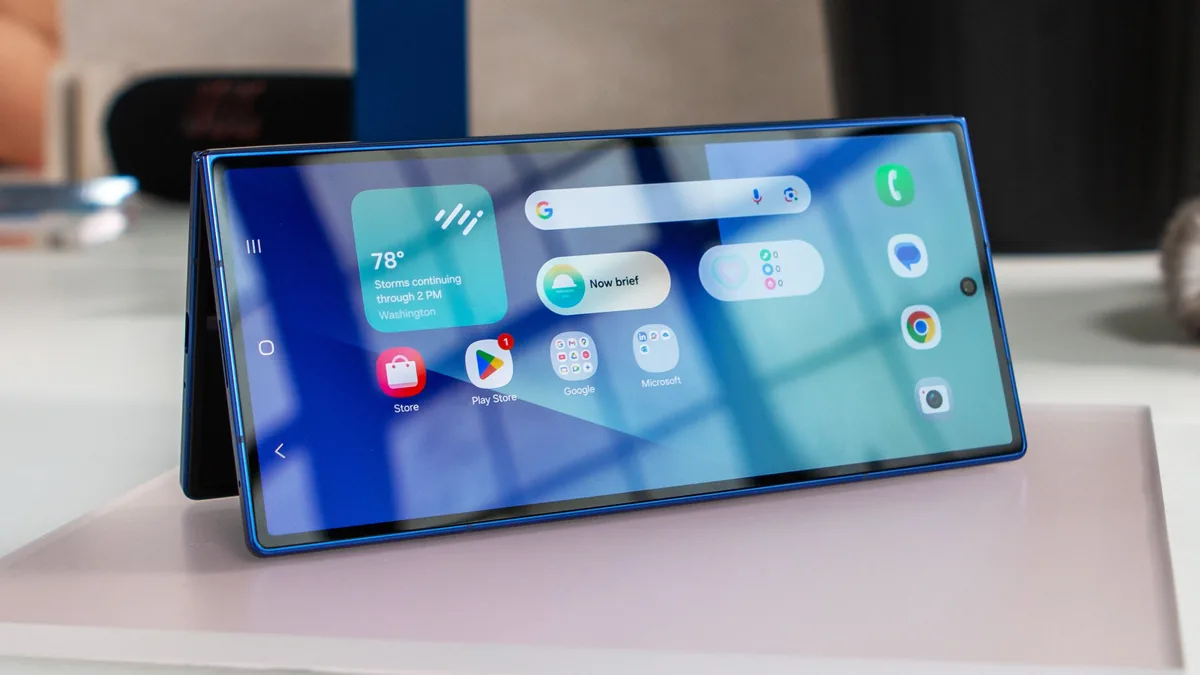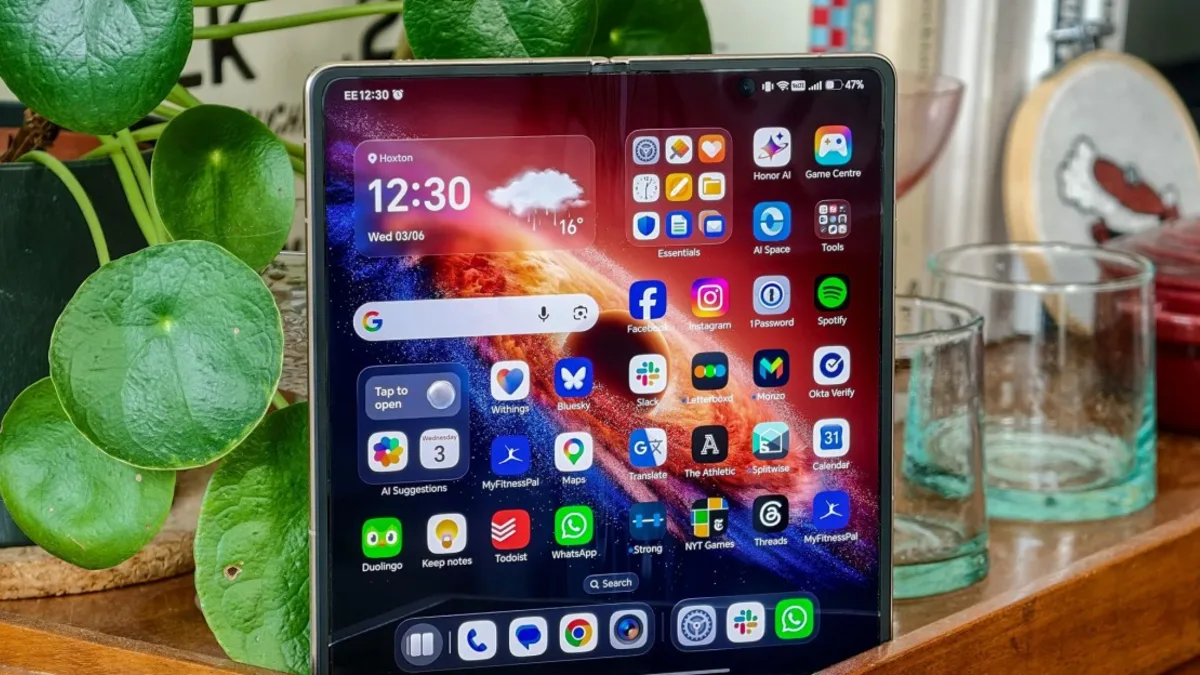
Honor Magic V6 is a useful reminder that foldable phones are no longer strange experiments. The category has matured enough that small differences now matter more than dramatic redesigns. A few years ago, the basic question was whether a foldable could survive daily use. With the Magic V6, the question becomes whether a book-style foldable can behave like a normal flagship for battery life, comfort, and durability.
The most important change is not the hinge, the camera island, or the thinness claim. It is the battery. Honor uses improved silicon-carbon cells to fit a 6,660mAh battery into the global Magic V6, while the China version reportedly goes even larger at 7,150mAh. That is a major number for a foldable because big folding screens have always punished endurance. A phone that can open into a tablet is less impressive if it needs a charger before dinner.
The rest of the spec sheet reads like a modern high-end foldable checklist. The Magic V6 uses Qualcomm's Snapdragon 8 Elite Gen 5, offers up to 512GB of storage and 16GB of RAM, includes dual 120Hz OLED displays, supports stylus input, and keeps fast wireless charging. It also brings an IP69 rating, giving it dust-tight protection and resistance against high-pressure, high-temperature water jets. Those details show how far foldables have moved from delicate first-generation devices.
The Verge frames the Magic V6 as a phone with three foldable firsts, while arguing that battery life is the upgrade users will actually feel every day. That matches the larger market direction we have been tracking in our Samsung Galaxy Z TriFold coverage, where screen shape is exciting but endurance and pocketability still decide whether people keep using the device.
A Foldable That Acts More Normal
The best compliment for a mature foldable is that it stops feeling like a special case. Closed, the Magic V6 is meant to feel closer to a regular slab phone. Open, it still gives users the larger canvas that makes the category matter for reading, editing documents, watching video, and running apps side by side. Honor's challenge is not proving that folding hardware is possible. It is proving that the owner does not have to manage it carefully all day.
The big battery helps that argument. Foldable buyers often accept a heavy phone because they want a larger display. What they do not want is a large display that forces battery anxiety. If the Magic V6 can reliably stretch across heavy use, it shifts the foldable conversation from novelty to trust. Battery confidence is especially important for people using maps, cameras, messaging, and video calls while traveling.
The camera system is still the area where foldables struggle against the best slab flagships. Space inside a thin folding body is limited, and camera hardware competes with hinge parts, display layers, and battery cells. Honor appears to have built a strong setup for a foldable, but buyers who care most about low-light photography and long zoom may still find traditional flagship phones ahead.
That tradeoff does not weaken the Magic V6 as much as it would have in earlier years. Foldable buyers are not usually buying the absolute best camera phone. They are buying a pocket device that can become a small tablet without carrying two products. The Magic V6 makes that pitch stronger by pushing battery life and durability instead of relying only on thinness headlines.
The foldable market is entering a practical phase. Hinges matter, displays matter, and software still matters, but battery life is becoming the real separator. Honor Magic V6 understands that. It is not exciting because it folds. It is exciting because it makes folding hardware feel closer to a dependable everyday phone.