RugOne Xever 8 is the kind of launch that makes the rugged phone market worth watching again. It is not trying to be the thinnest Android handset in a regular phone aisle. It is trying to be a phone that can survive job sites, outdoor trips, rough bags, and long days where a fragile glass slab is the wrong tool. The interesting part is that RugOne has not treated durability as an excuse to ignore everyday usability.
The phone comes from RugOne, a newer exploration-focused brand connected to Ulefone's rugged phone experience. That background matters because rugged devices can easily become novelty products if the software, display, camera, and battery decisions feel neglected. Xever 8 looks more rounded. It has a 6.5-inch 1080p IPS LCD with a 120Hz refresh rate, a MediaTek Helio G200 chip, 8GB of RAM, storage options up to 256GB, and a dedicated microSD slot.
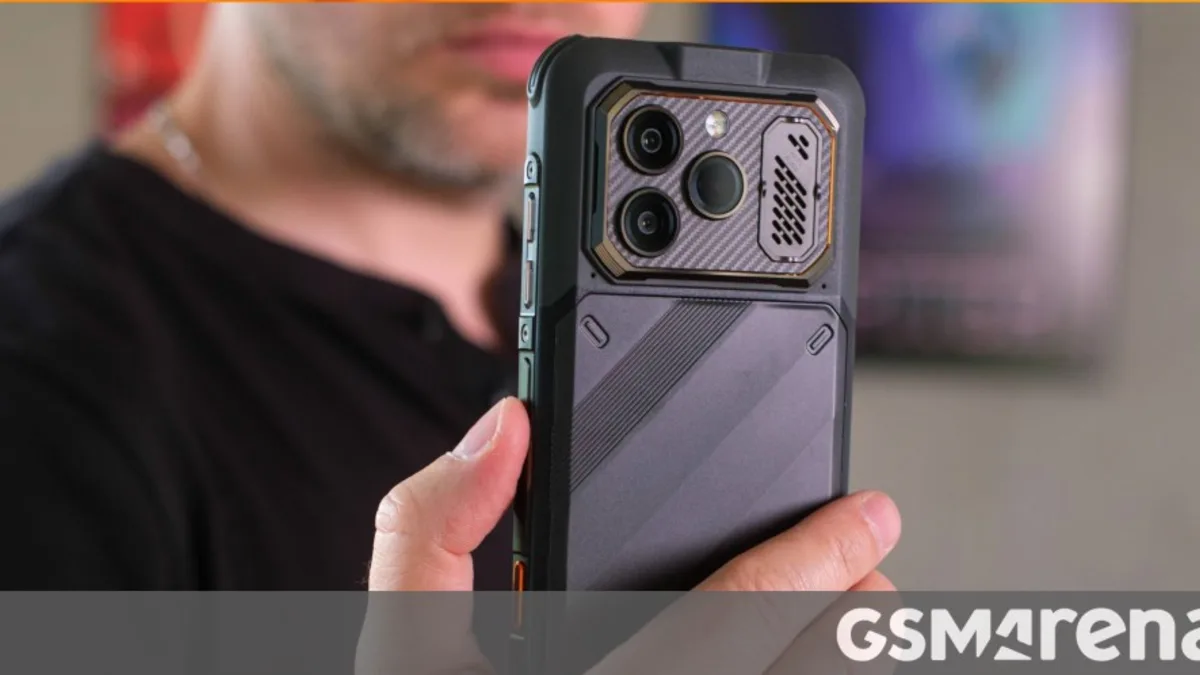
The body is the headline. The Xever 8 measures 14mm thick and weighs 320g, so nobody should confuse it with a lightweight flagship. The payoff is IP68/IP69K resistance, two-meter water immersion protection, high-pressure water jet resistance, two-meter drop resistance, MIL-STD-810H compliance, Gorilla Glass 3 up front, and a 230-lumen dedicated flashlight. This is a phone built around use cases where damage resistance is part of the feature list, not an afterthought.
In its hands-on report, GSMArena notes that the phone is available now, with launch discounts running until June 26. The 8GB/128GB model drops to $379.99 during the promotion, while the 8GB/256GB version is listed at $409.99. For buyers comparing battery-first Android hardware, our OnePlus Turbo 6X Pro launch guide is a useful contrast because it chases endurance from the performance-phone side rather than the rugged side.
Why The Removable Battery Matters
One of the most practical decisions is the 4,800mAh removable battery. Many rugged phones now use giant sealed packs, which can help runtime but makes the device less repairable over time. Xever 8 goes the other direction. The battery is smaller than some rugged rivals, yet the ability to swap it gives field users a different kind of confidence. RugOne also includes 18W wired charging and 10W reverse wired charging, so the phone can top up smaller gear in a pinch.
The camera system is also more practical than the price suggests. The main rear camera uses a 64MP sensor, joined by a 20MP night vision camera with infrared lights. That second camera is not for Instagram polish; it is for dark rooms, campsites, inspection tasks, and situations where normal phone cameras become almost useless. The 32MP front camera is more conventional, but it keeps the phone from feeling like a pure industrial tool.
The compromise is performance and network speed. The Helio G200 means this is a 4G phone, not a 5G device, and buyers should not expect flagship gaming performance. That is acceptable if the target user values durability, removable power, NFC, eSIM, FM radio, infrared, stereo speakers, and a 3.5mm jack more than benchmark bragging rights. It is less acceptable for someone who simply wants a tough-looking phone as a main media device.
The Xever 8 lands in a useful middle ground. It looks like a serious outdoor phone, but it still respects normal Android expectations: a high-refresh display, current Android software, expandable storage, and enough cameras for work and travel. Rugged phones are never going to be mass-market fashion devices. But with the Xever 8, RugOne is showing that durable hardware can feel less disposable and more deliberately engineered.