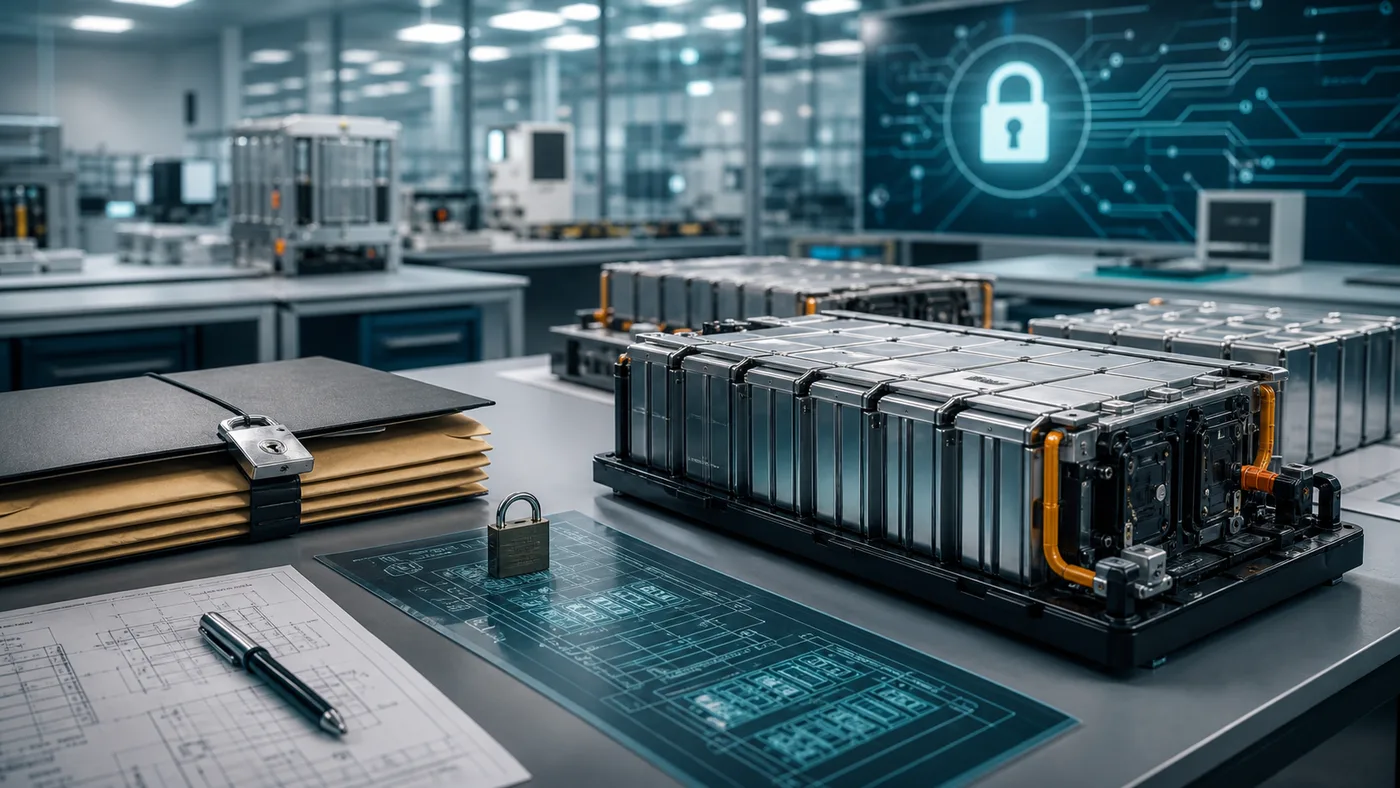
CATL chairman Robin Zeng's comments about battery-sector competition are blunt, but they point to a real problem in clean-energy manufacturing. Batteries are not just a scale game. Chemistry, process discipline, materials sourcing, quality control, and long-term degradation management all matter. If a company copies partial know-how without matching the process depth behind it, the immediate product may look competitive on price while creating problems years later. That is why intellectual property has become an EV advantage, not just a legal abstraction.
Zeng's argument is that weak IP protection can turn a technically strong industry into a race to the bottom. He used China's photovoltaic sector as a cautionary example: world-class technology, but poor profitability because copying and aggressive price competition eroded returns. In batteries, the danger is sharper because the product lives inside vehicles for years. A weak cell may not reveal itself at delivery. Degradation, safety behavior, and pack consistency become visible only after long use.
This is where procurement incentives become uncomfortable. Buyers are rewarded for near-term cost savings, while the technical consequences may appear after the purchasing team has moved on. EV makers want cheaper packs because battery cost defines vehicle margins, but cheaper is not always equivalent. We have written about how power and compute constraints are reshaping technology investment in energy-heavy infrastructure markets, and batteries face the same tension between cost, reliability, and long-term capacity.
IT Home reports that Zeng said many companies entering the battery industry first try to recruit CATL employees or obtain pieces of technology from equipment and materials suppliers. He argued that imitation may reach only 60 to 70 percent of CATL's performance while still competing through lower prices.
The statement also serves CATL's interests, of course. Market leaders often emphasize quality and IP when smaller competitors compete on price. But that does not make the concern invalid. Battery manufacturing has unforgiving feedback loops. A pack that appears acceptable in early validation can still disappoint after thousands of cycles, harsh climates, fast charging, or inconsistent factory execution. If price pressure discourages investment in those details, the entire EV market suffers through lower trust.
The deeper issue is whether China's battery sector can avoid the fate Zeng describes in solar. Scale has made Chinese battery companies globally powerful, but scale without margin can reduce the funds available for next-generation chemistry and manufacturing upgrades. Strong IP protection, better validation standards, and more disciplined procurement could help separate genuine engineering from cheap imitation. Battery leadership is no longer only about producing more cells. It is about proving those cells will keep their promises years after the sale.
The comments also hint at why battery warranties and independent testing may become more important to consumers. Most drivers cannot evaluate cell chemistry or manufacturing quality at purchase time. They see range, charging speed, and price. If the market fills with packs that look similar on paper but age very differently, trusted validation will matter more. That could benefit companies with deep field data and disciplined production, while making low-price imitation less attractive over the long run.