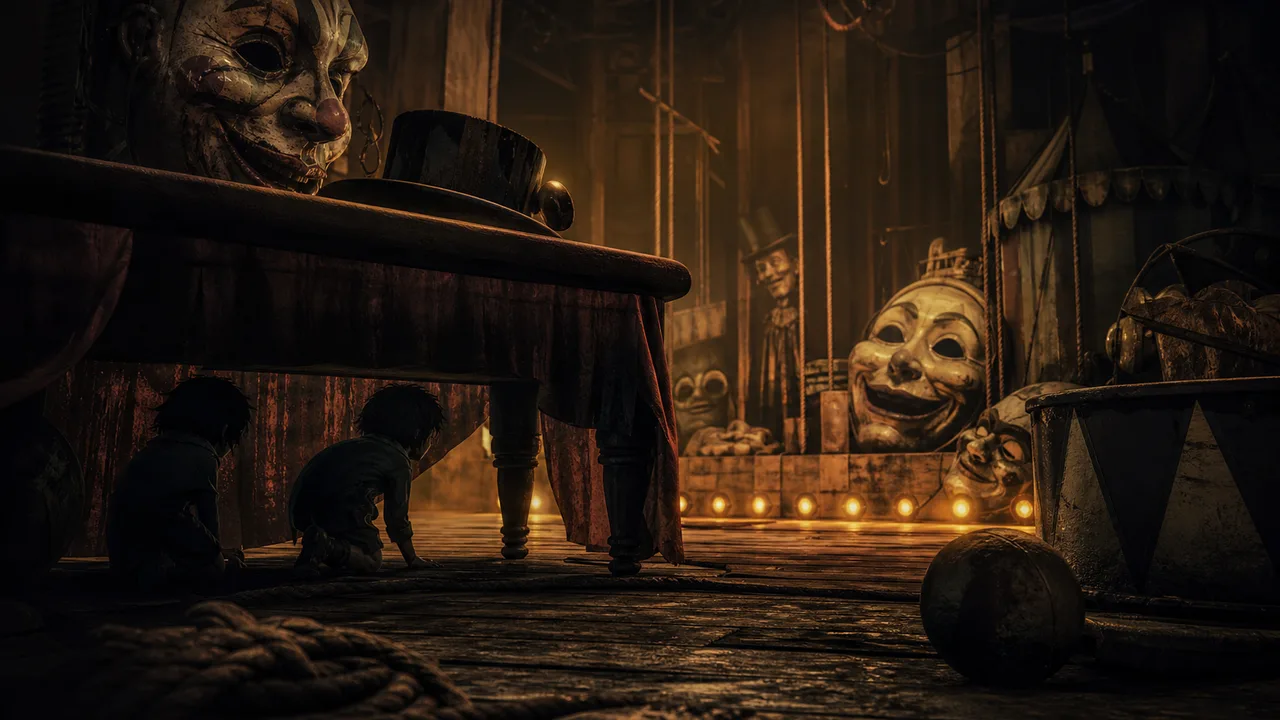
Silent Hill: Townfall is the kind of horror project that benefits from mystery, but it now has enough shape to feel real. The latest round of listings and showcase coverage point to a September 24, 2026 date, a playable focus on Zoe, and continued use of a CRTV-style communication device as a gateway into Silent Hills nightmare logic. That is a good sign. Townfall does not need to compete with Resident Evil on monsters or scale. It needs to feel intimate, invasive, and hard to explain.
The Silent Hill name creates a particular burden. Players expect psychological horror, but they also expect ambiguity that does not collapse into random symbolism. The best entries use locations, sound, static, guilt, and warped domestic spaces to make the player question what is external and what is self-inflicted. Townfall's communication-device motif could be powerful if it makes information unreliable, forcing players to interpret voices, signals, and images instead of simply following objective markers.
A September date also puts Townfall in a strong seasonal window without waiting for the crowded late October rush. Horror games often benefit from focused attention, and Silent Hill has enough brand recognition to own a quieter week if the reviews land. The bigger question is scope. A shorter, denser game could be better than a padded one. Silent Hill horror loses strength when players feel they are clearing content instead of sinking into dread.
GamesRadar lists Silent Hill: Townfall among the major upcoming horror games for 2026 and beyond, including the September 24 date and the broader horror lineup surrounding it. That context matters because Townfall is not arriving alone. Resident Evil Veronica, Alien: Isolation 2, OD, Saw Genesis, Halloween, and several smaller horror projects are all competing for attention.
That competition could help Townfall if it keeps a distinct identity. It should not chase action, crafting, or open-world design. It should be claustrophobic, authored, and deeply concerned with mood. The series is strongest when the player is unsure whether a room is dangerous because of what is inside it or because of what it reveals. Modern horror graphics can make that sharper, but they cannot replace pacing.
There is an internal connection here to broader gaming coverage around remakes and revivals. While Resident Evil Veronica is about translating an older survival-horror structure into modern third-person design, Townfall appears to be about extending a psychological language into a new story. Both are risky, but in different ways. Resident Evil has to modernize systems. Silent Hill has to protect unease.
If Townfall trusts atmosphere over explanation, it could be the most interesting Silent Hill project of the current revival wave. The series does not need another loud monster showcase. It needs a game that makes players hesitate before touching a screen, answering a signal, or walking back into a room they know has changed.
The audio design may be its most important system. Static, half-heard instructions, muffled footsteps, and sudden silence can turn ordinary navigation into suspicion. Townfall should let players doubt what they hear as often as what they see, because Silent Hill fear works best when information itself feels contaminated.